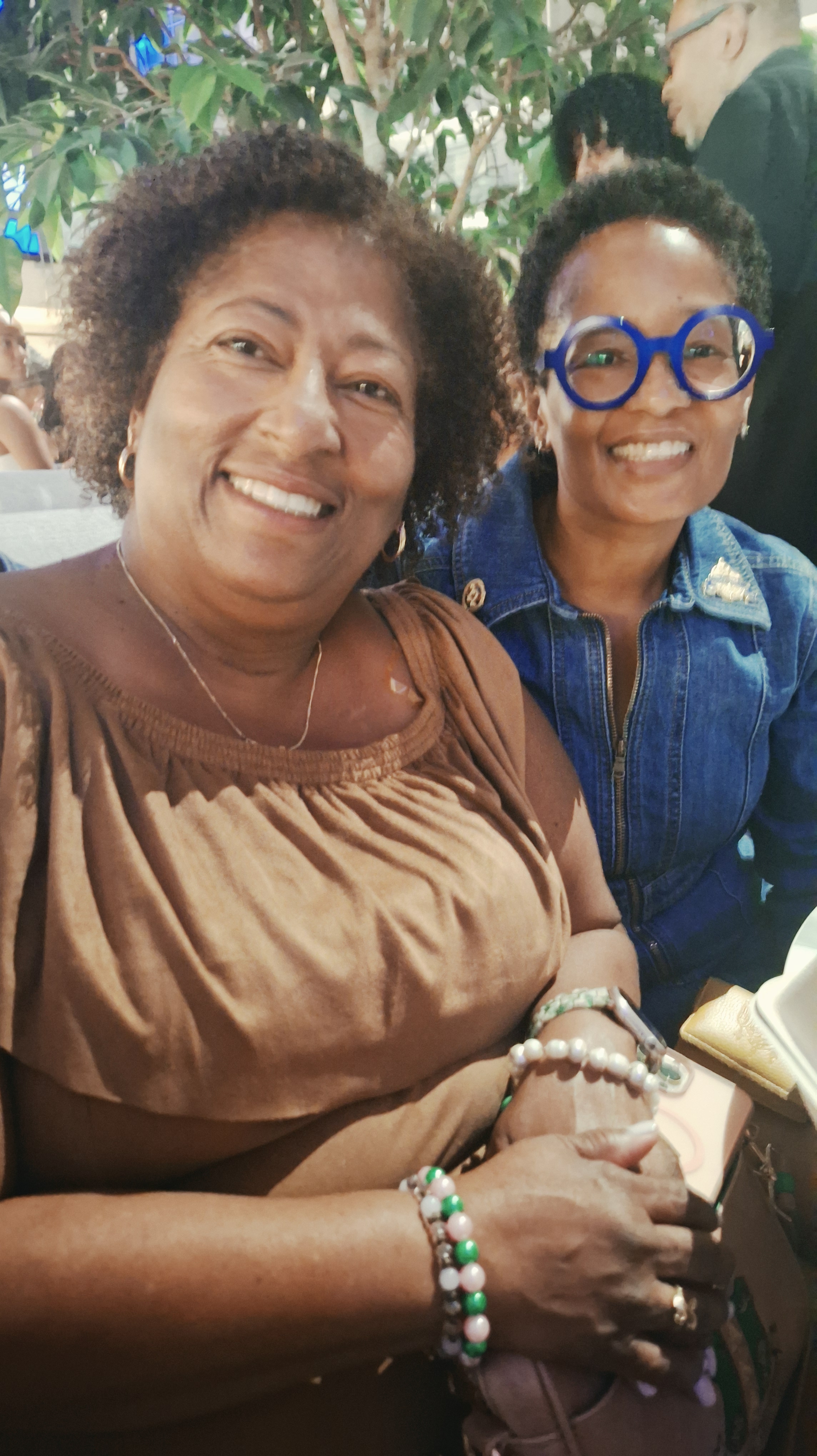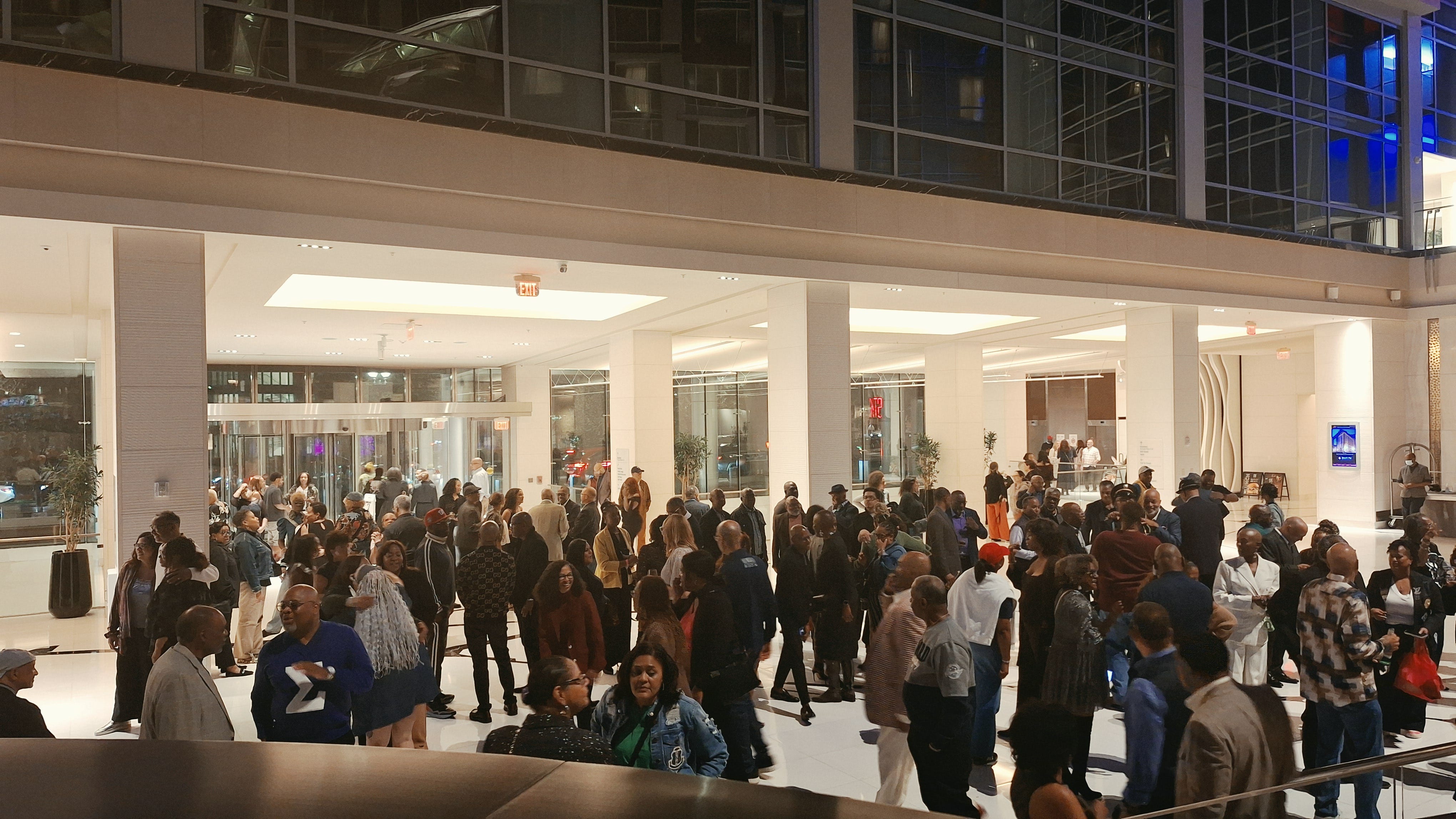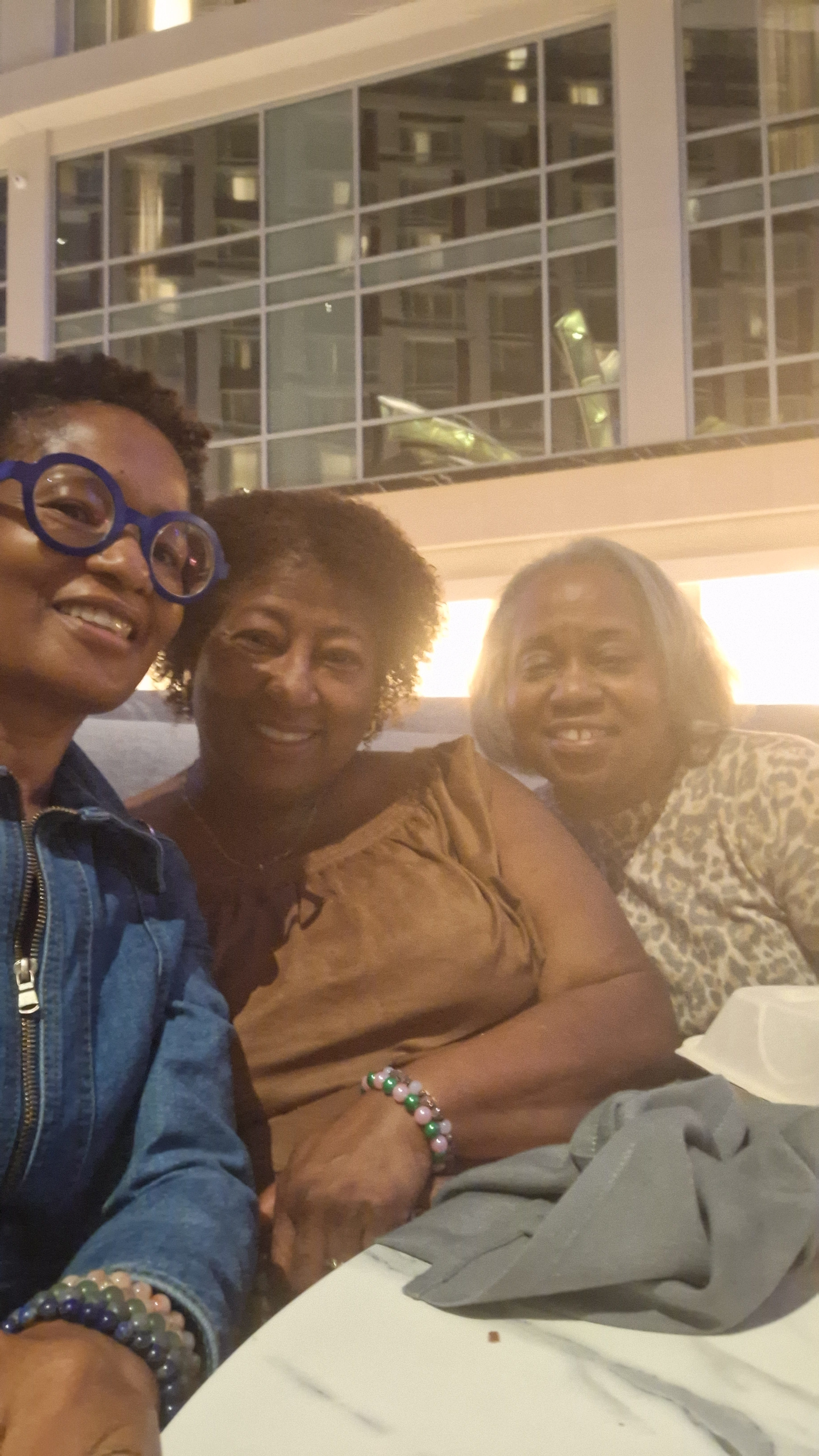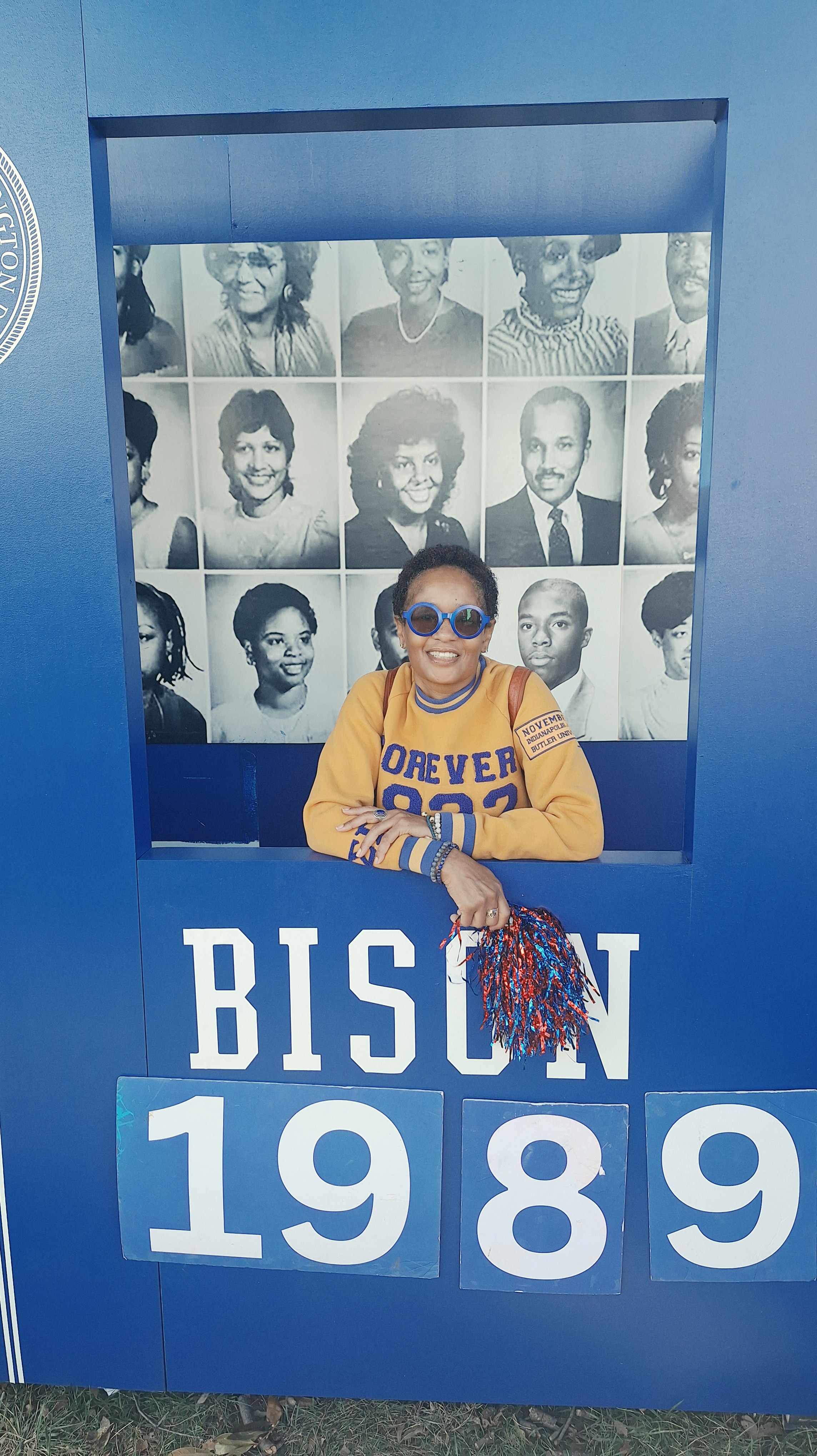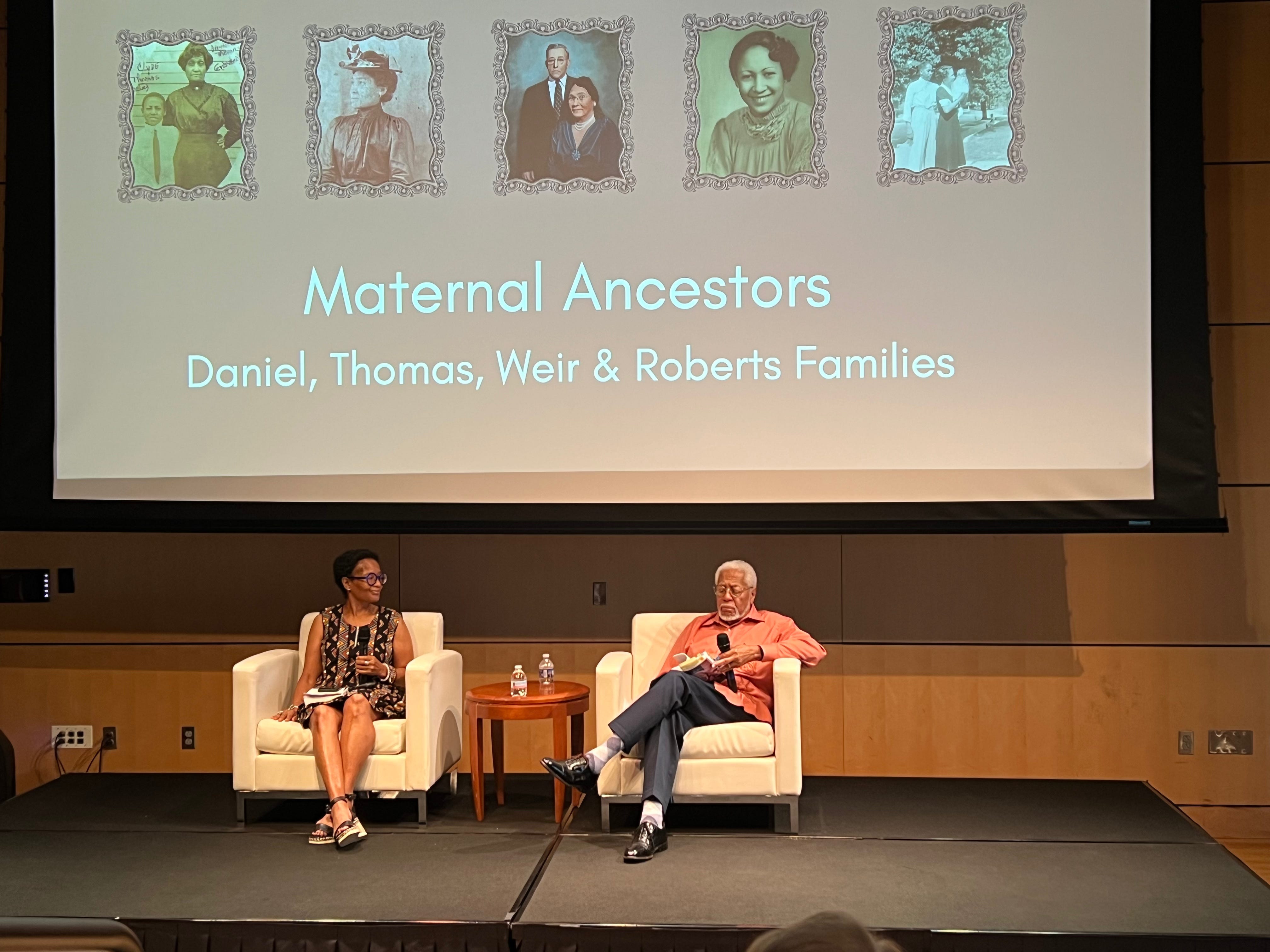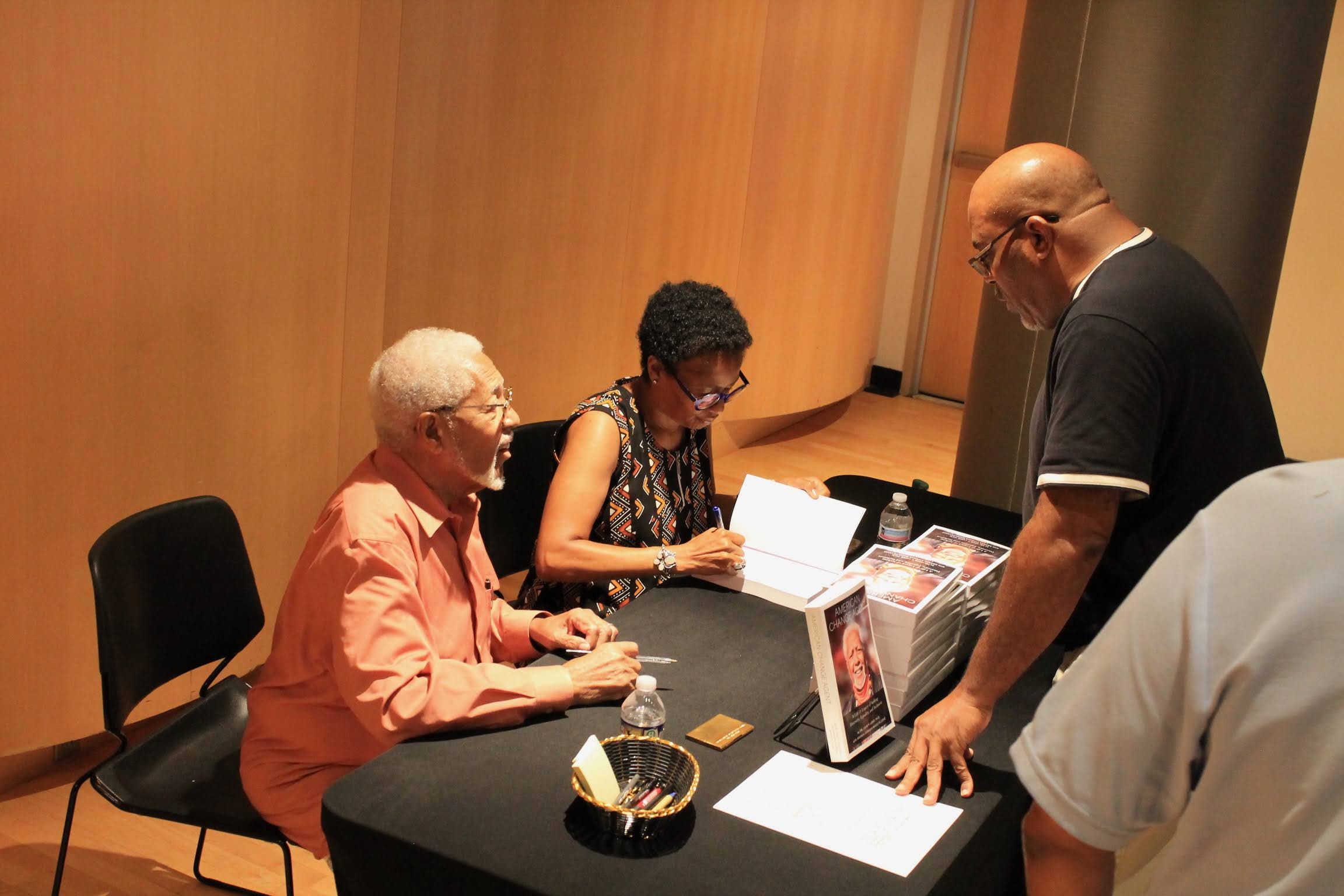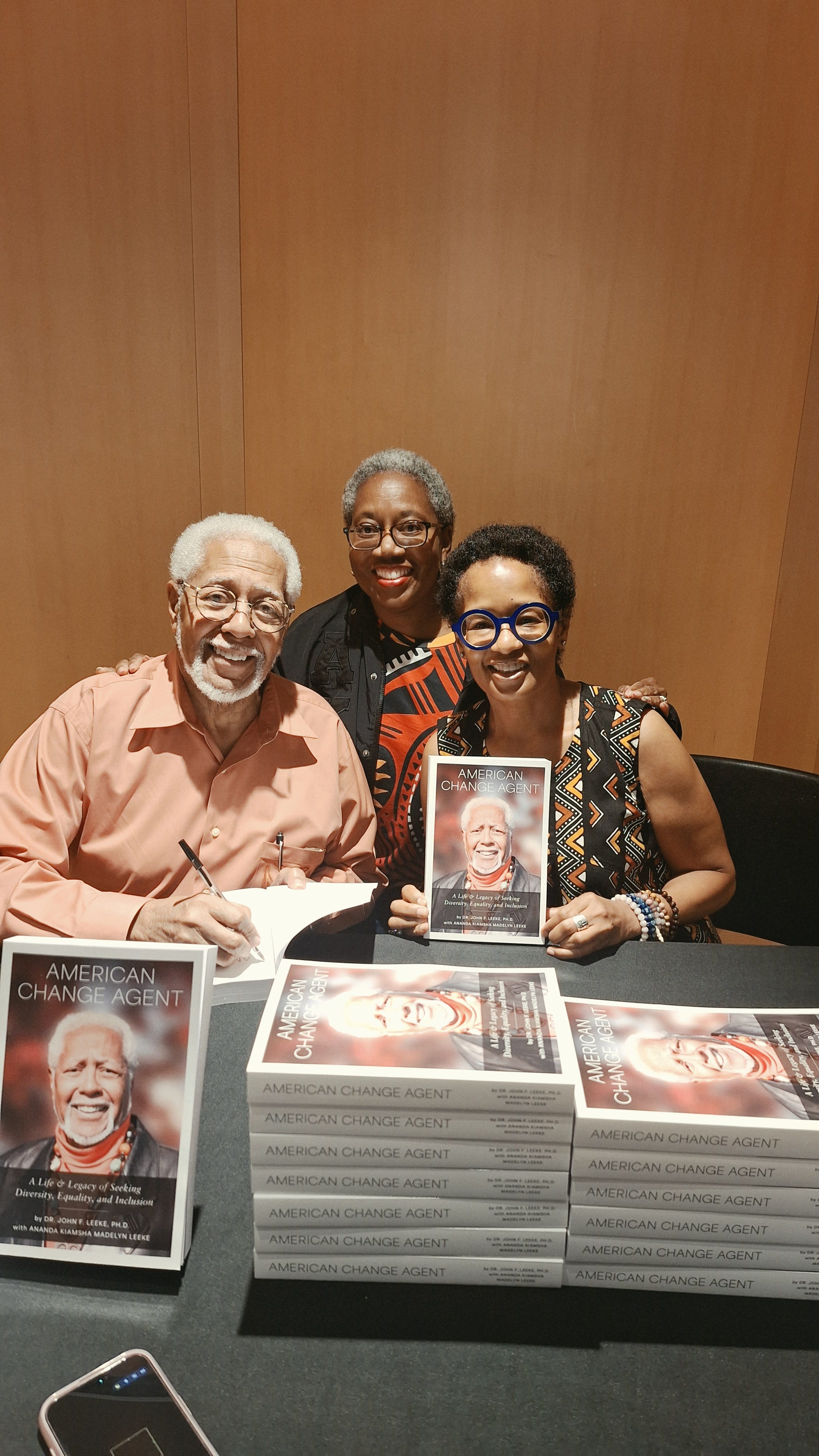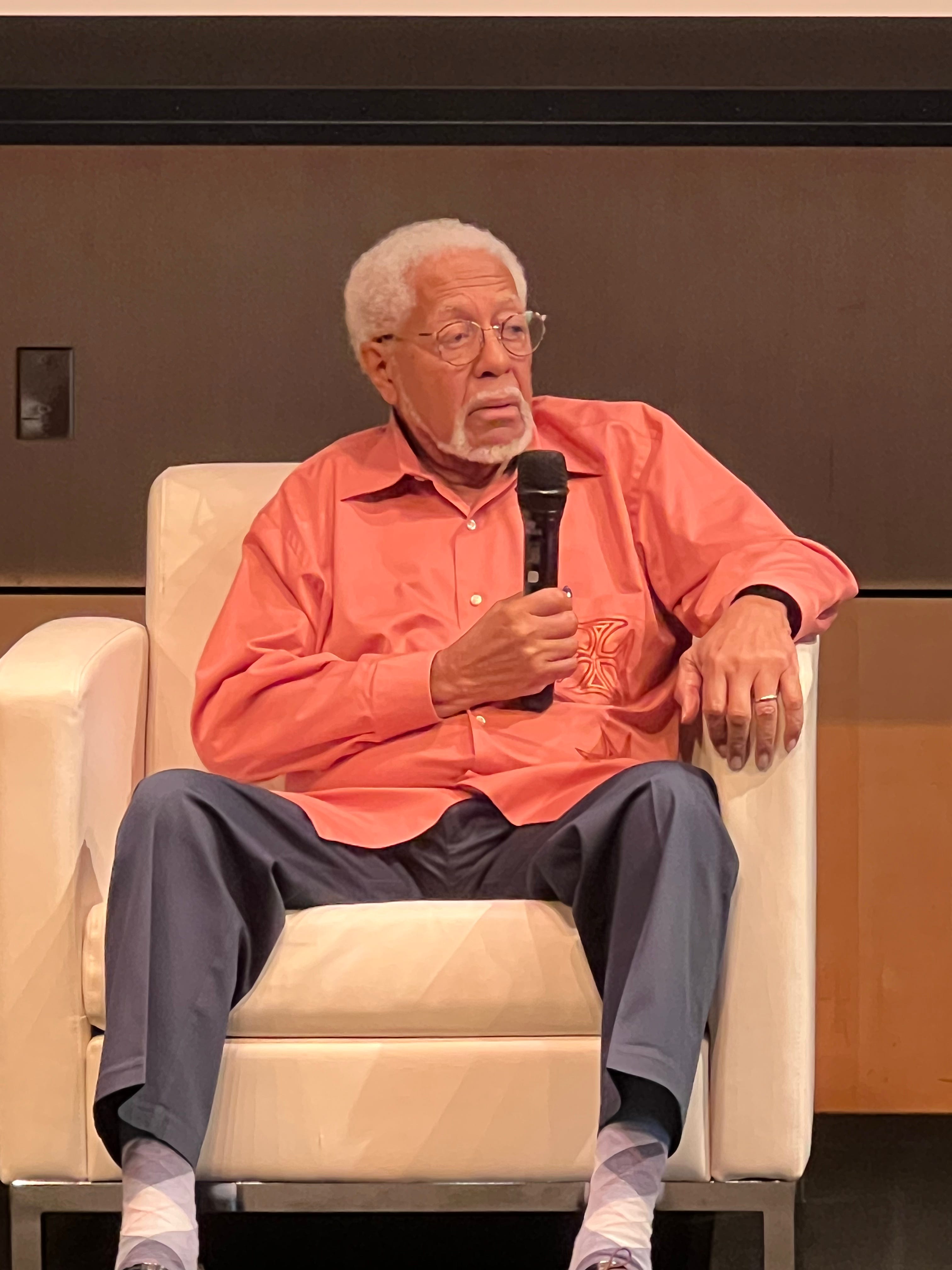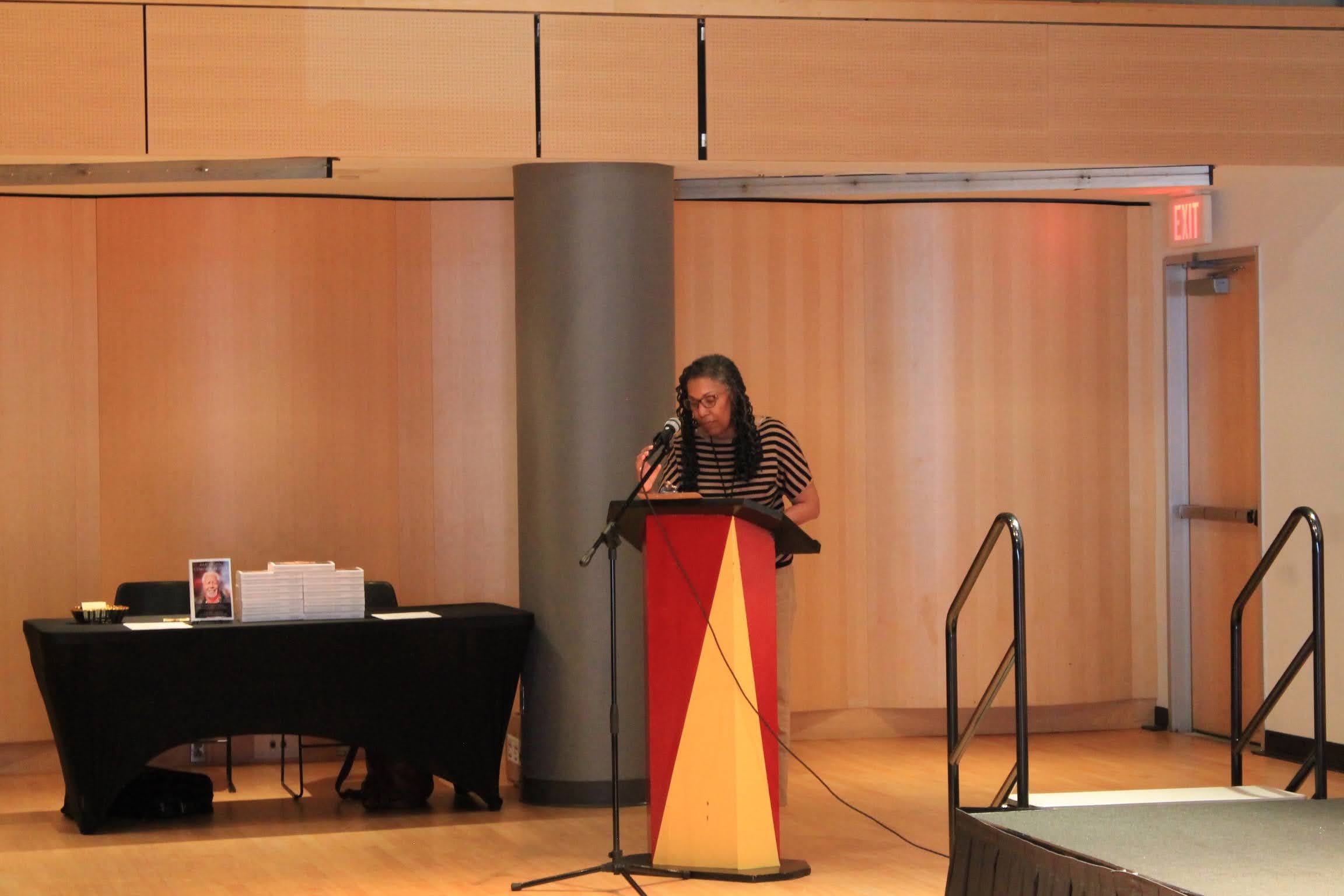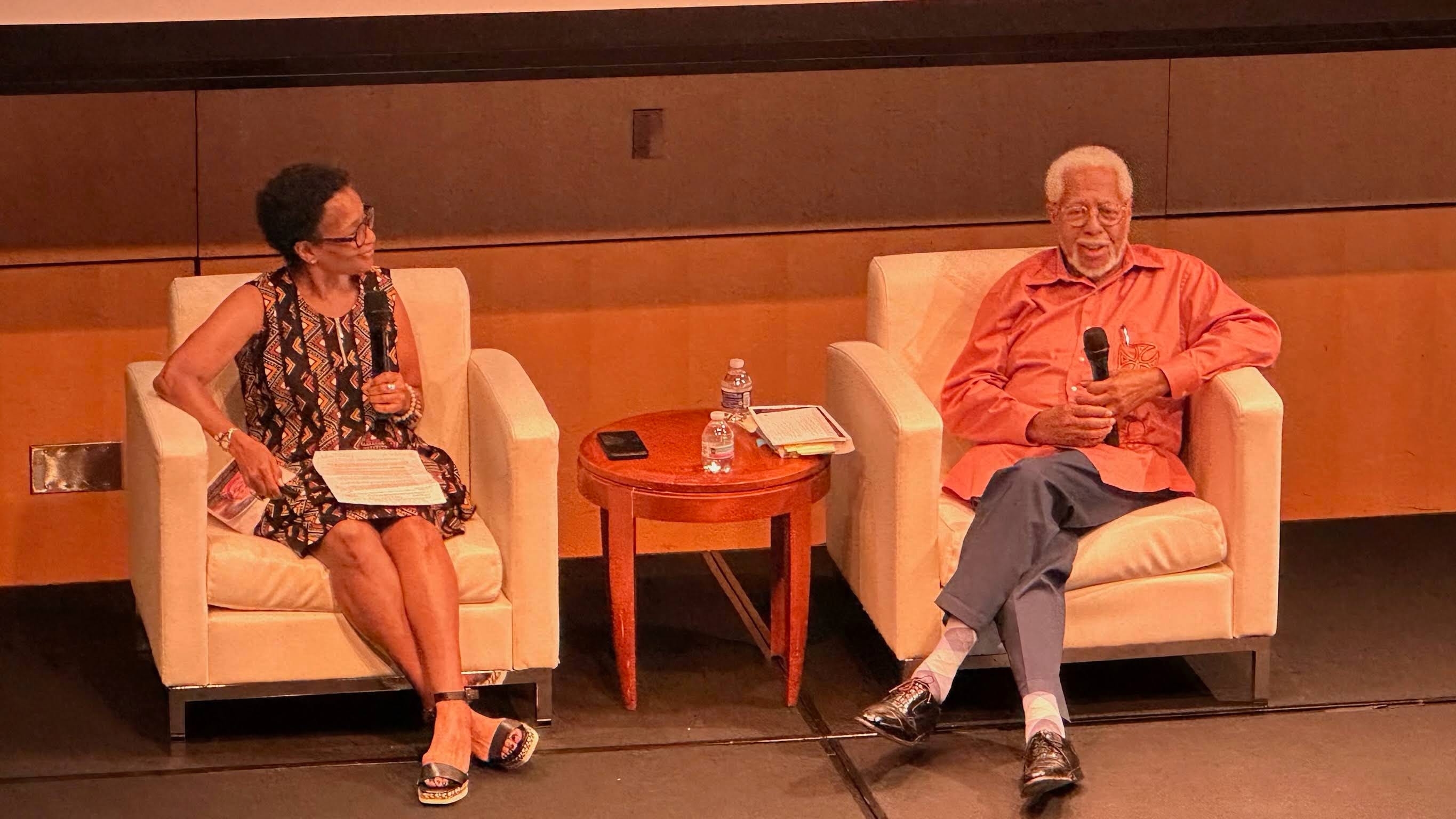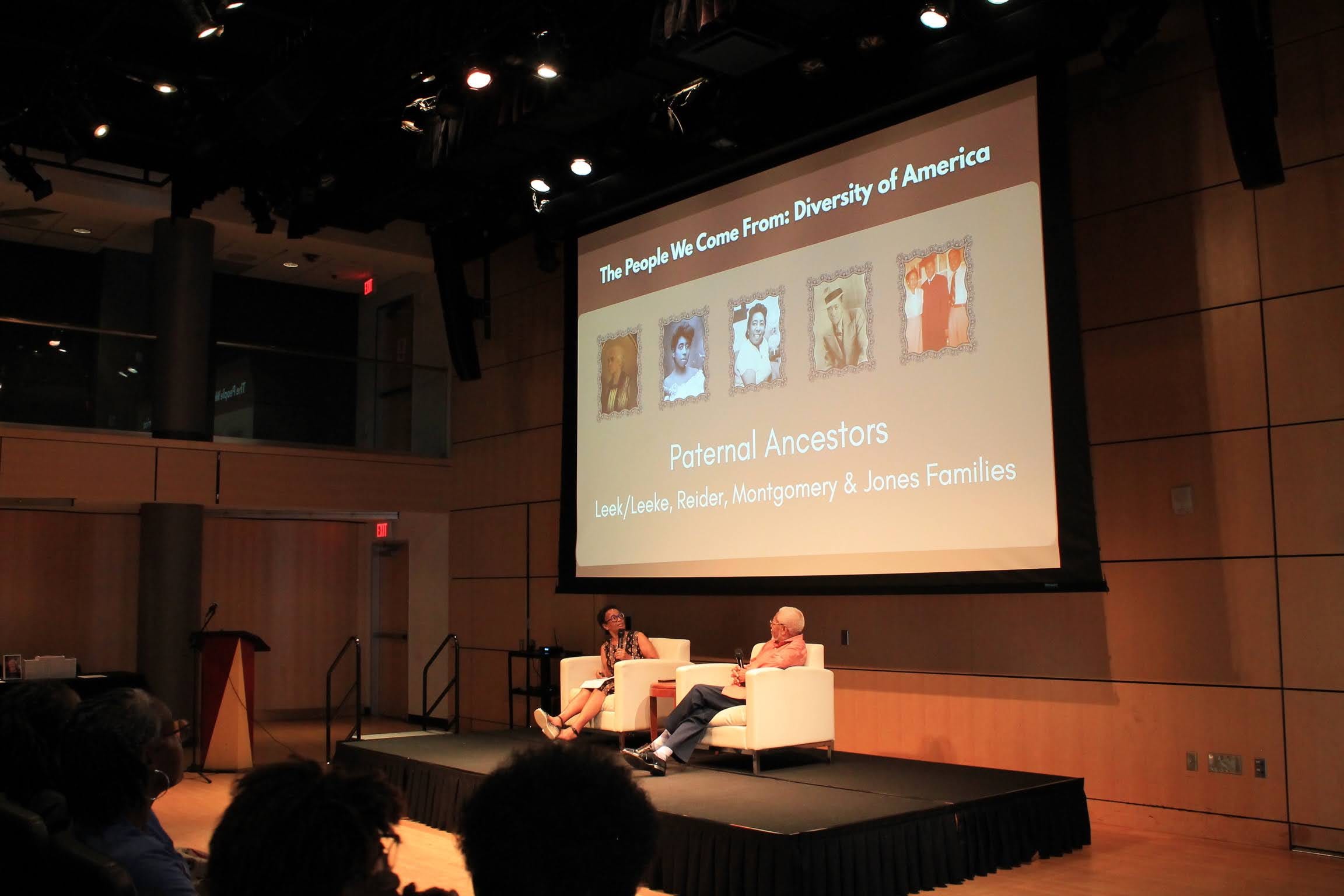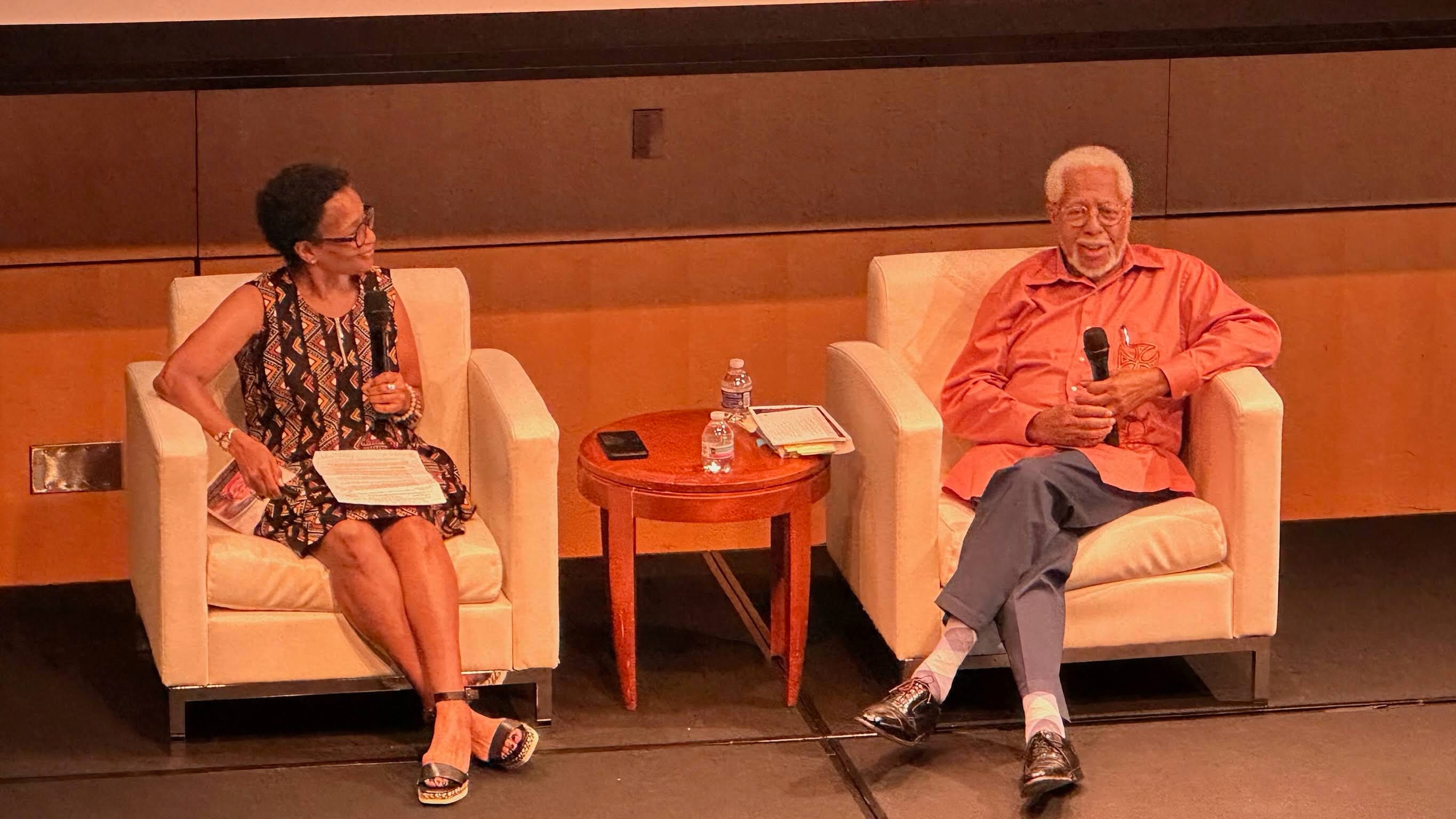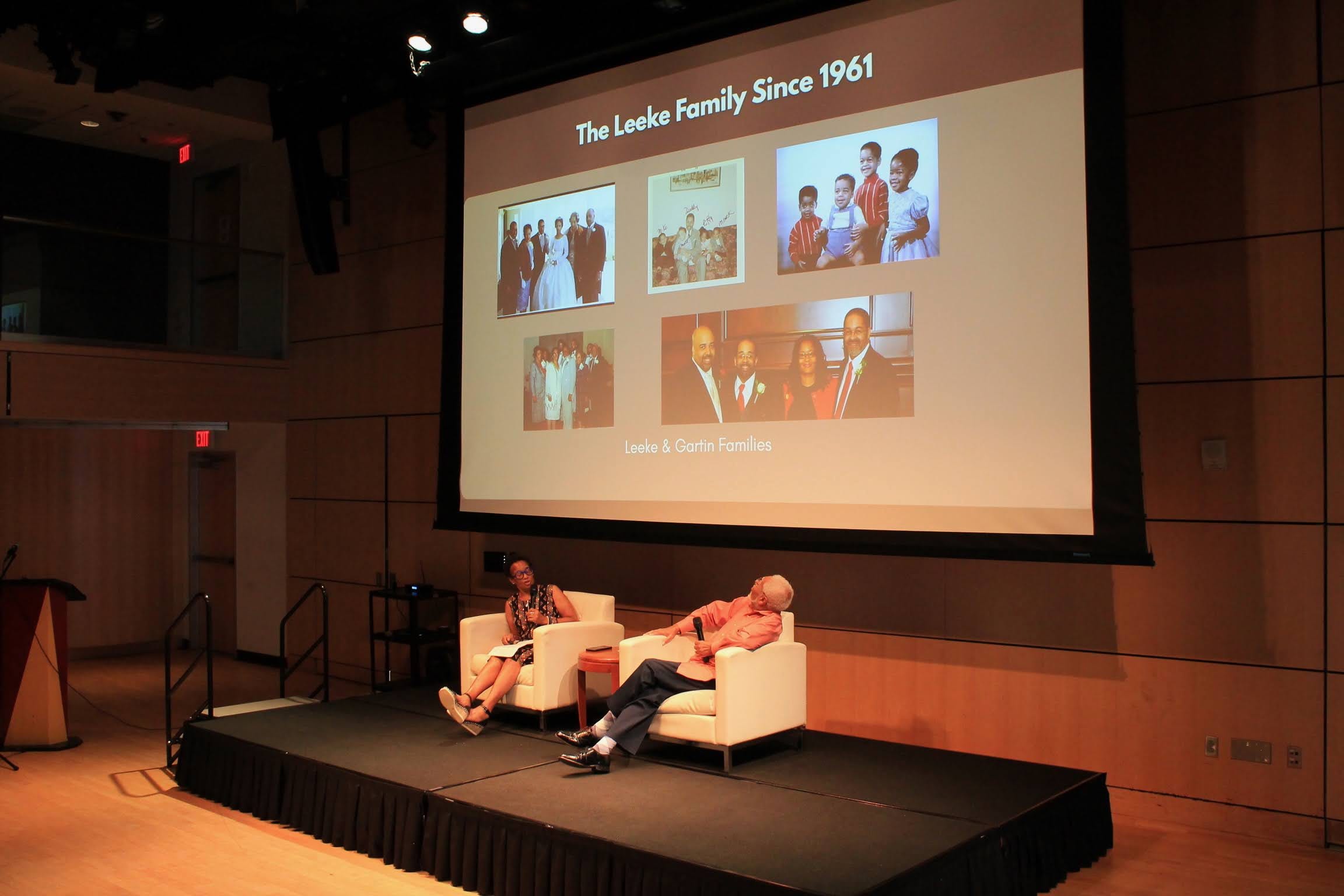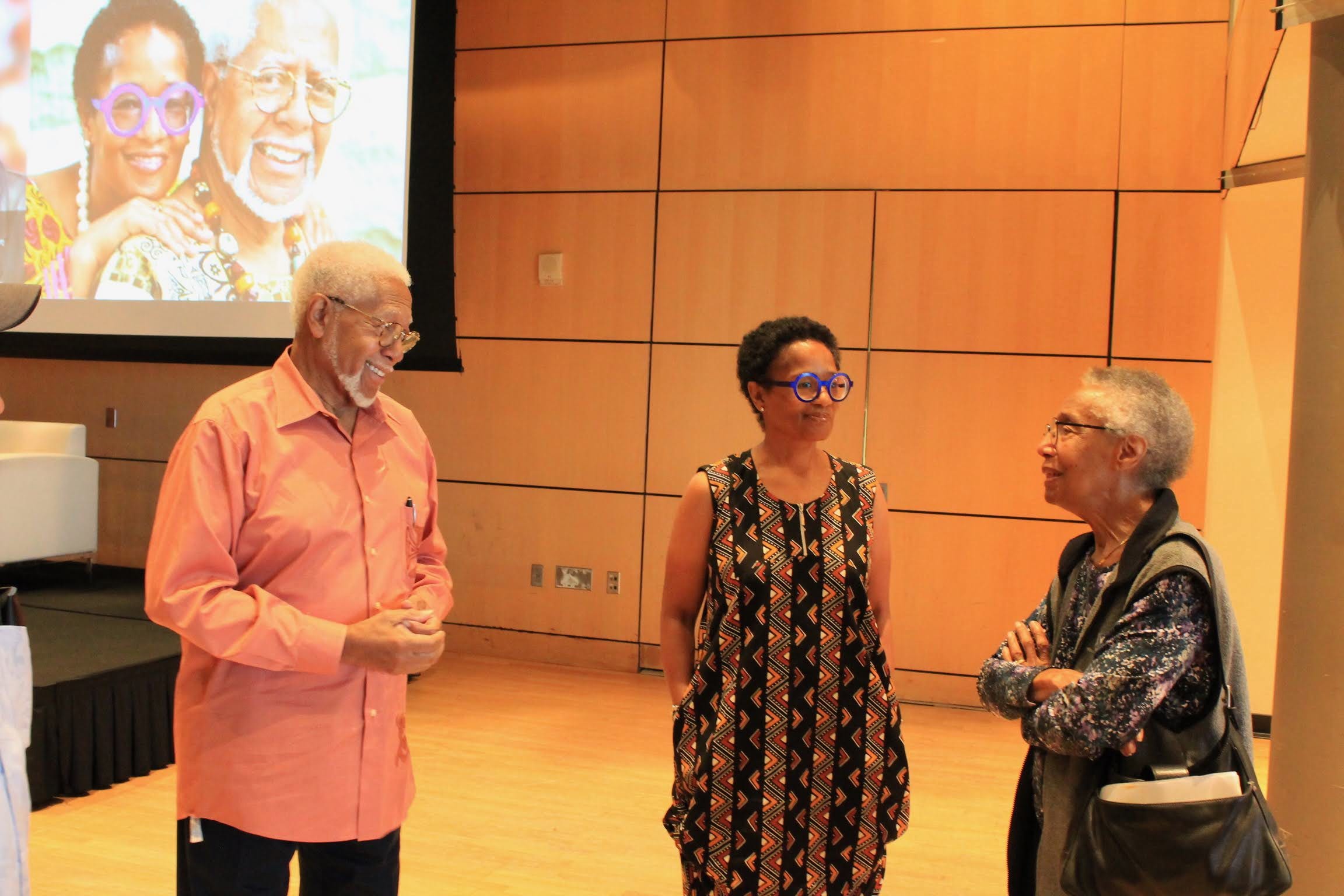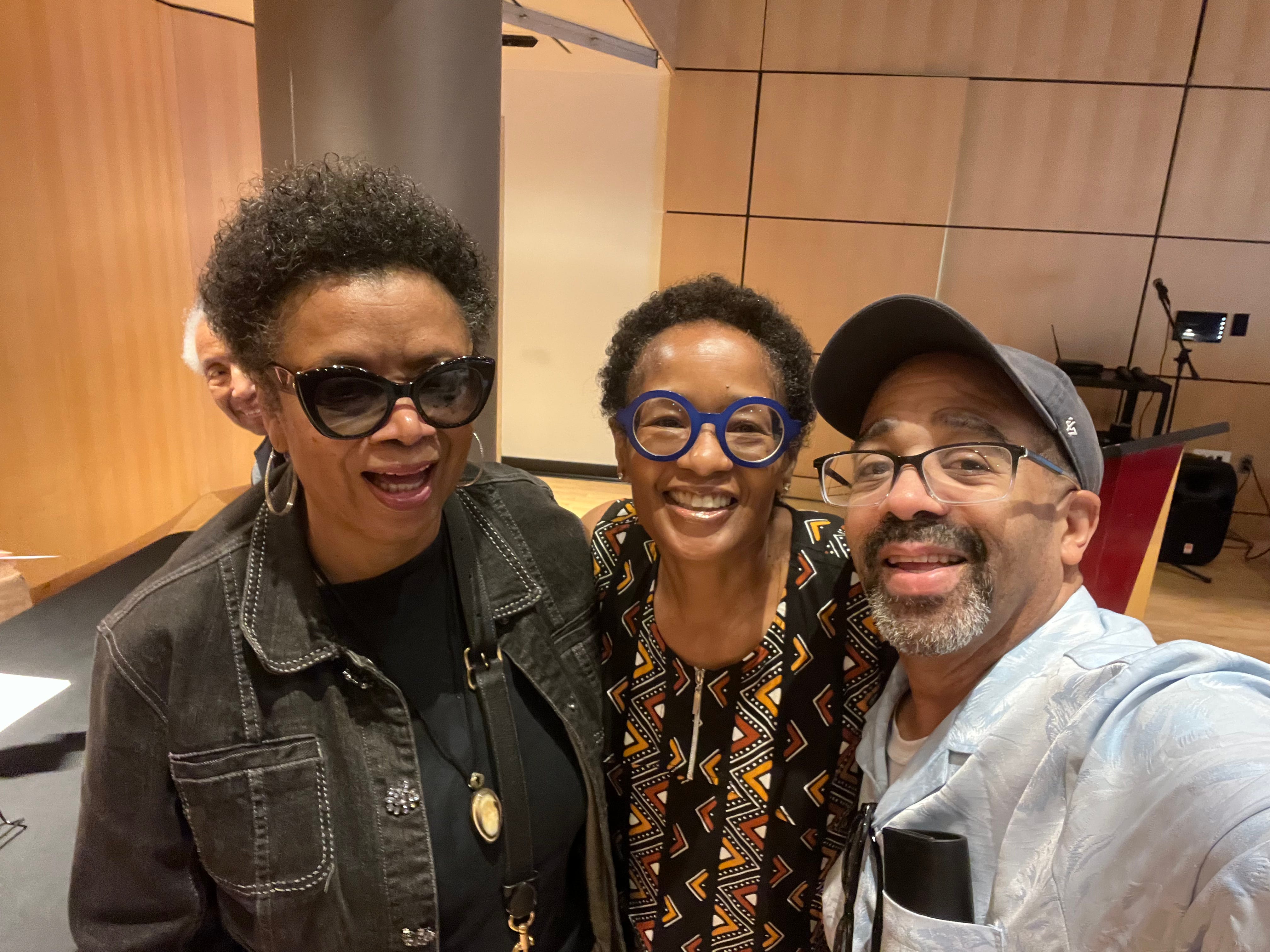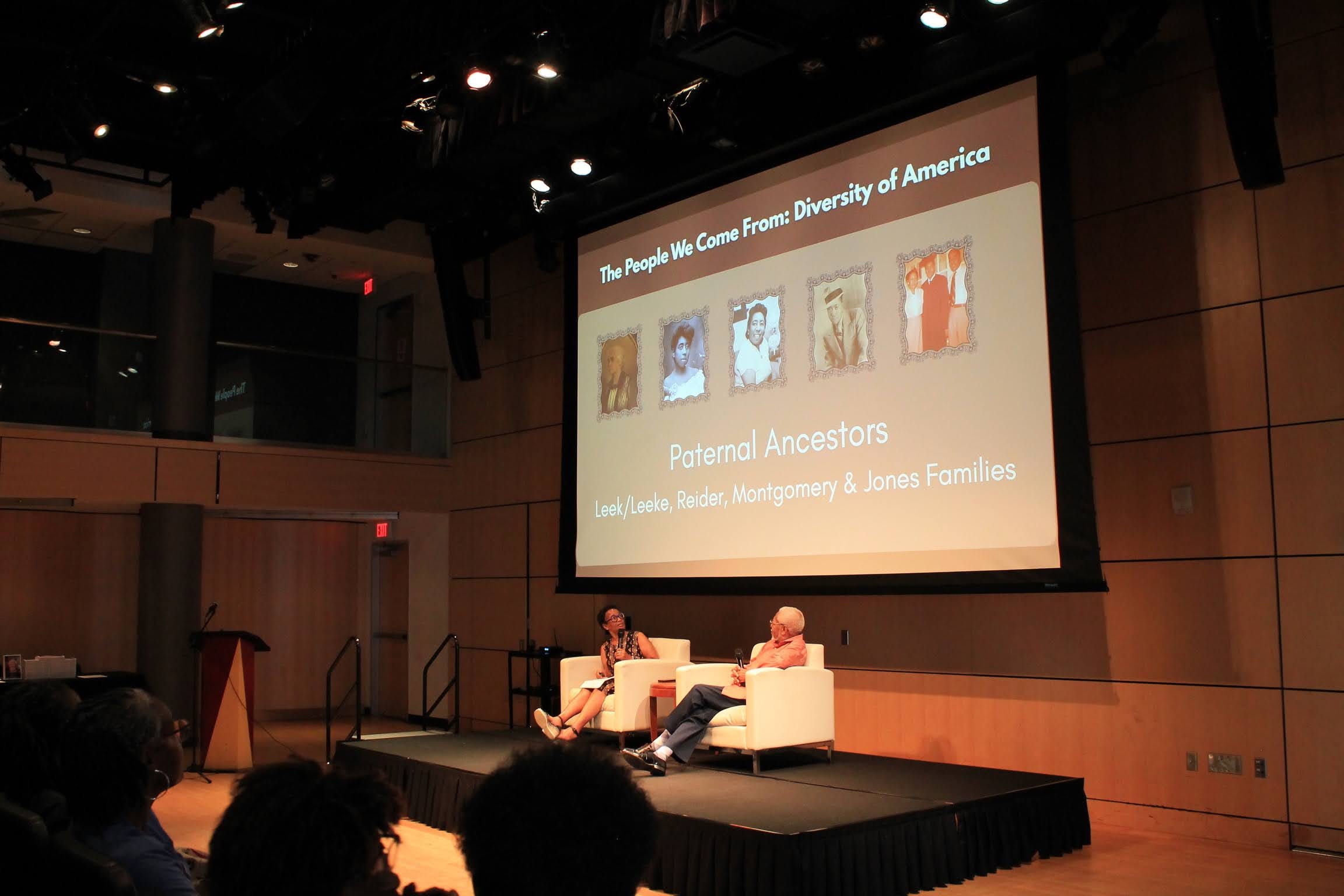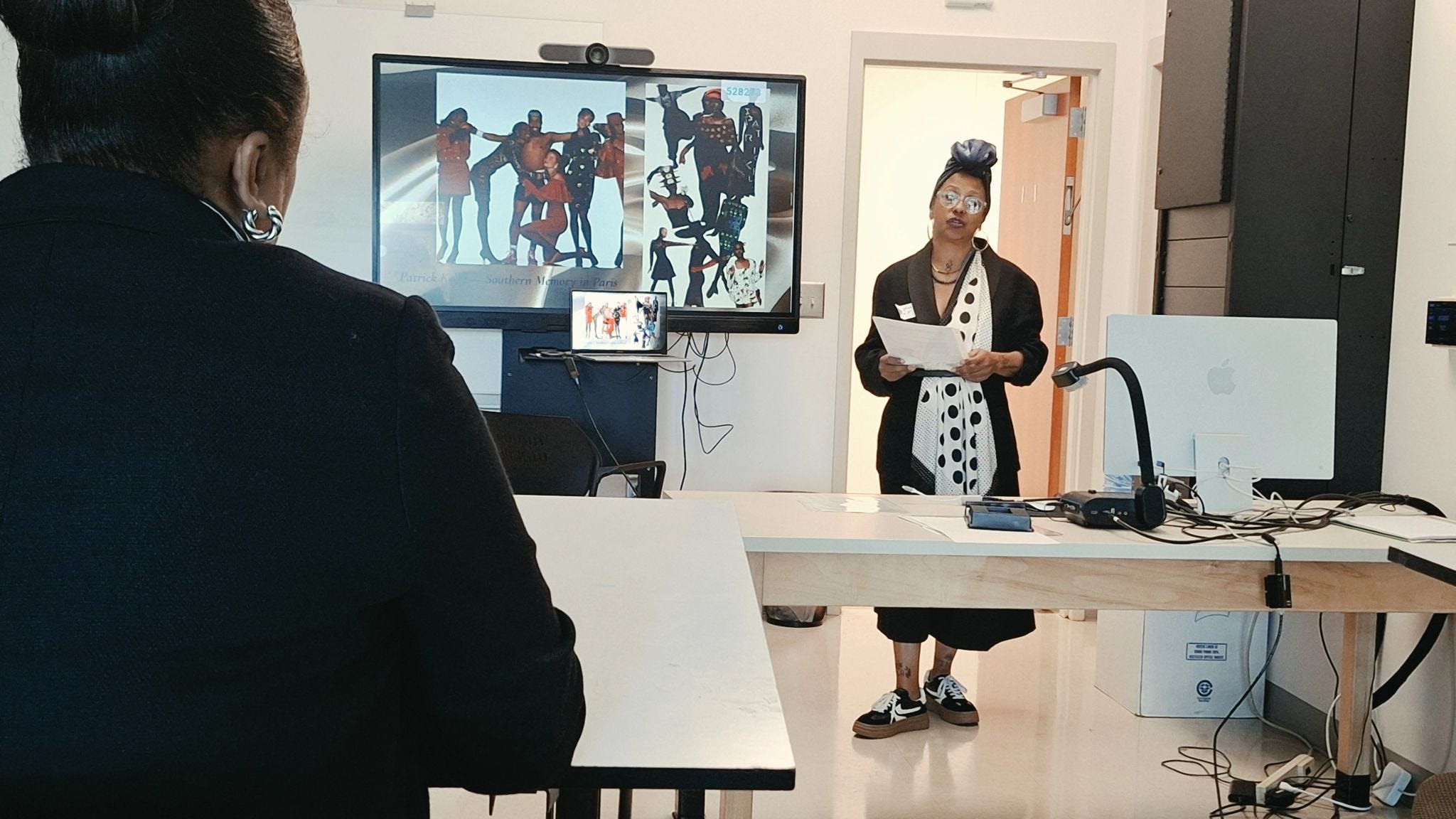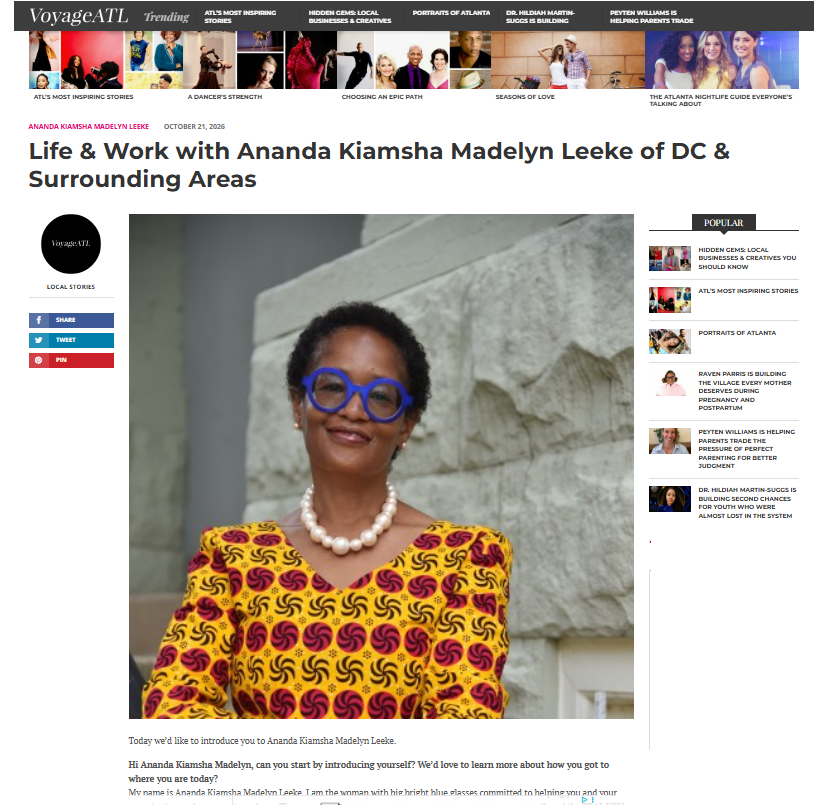
We love participating in book readings and discussions (in-person and virtual). These events are always special because they give us an opportunity to interact with our readers and hear their point of view and stories.
We want to thank everyone who has supported us during the past year. We could not do it without you!!!
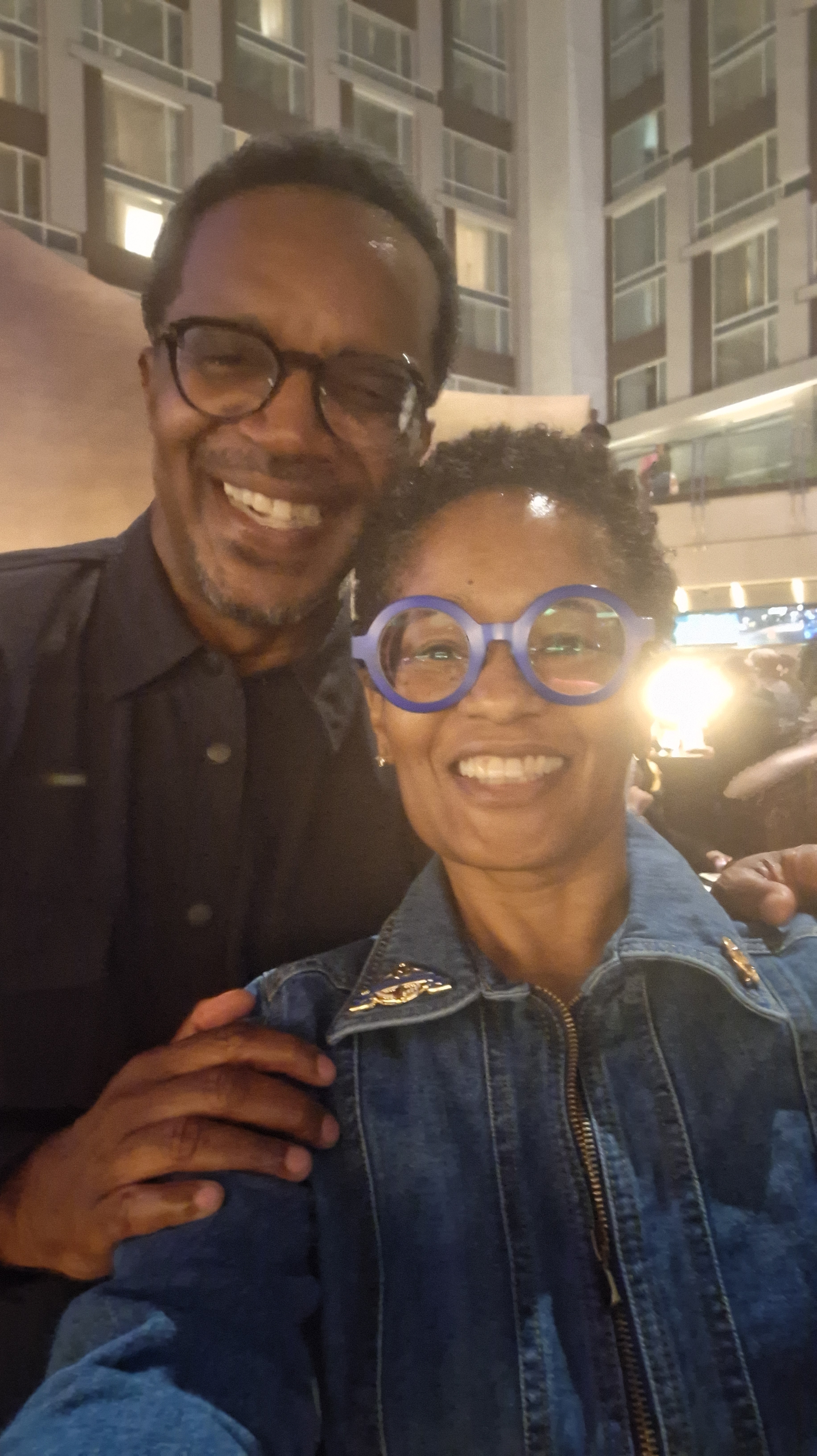
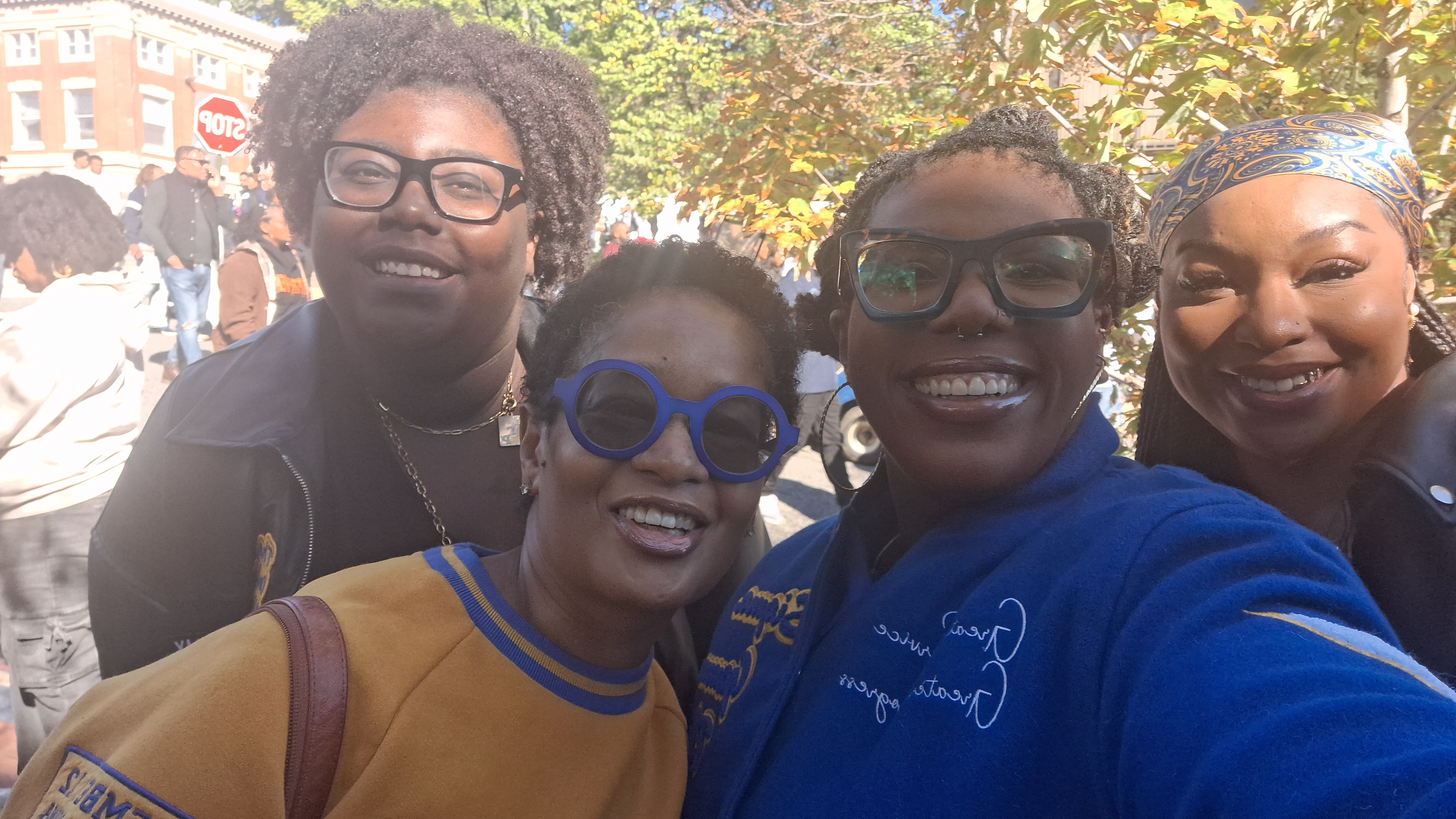
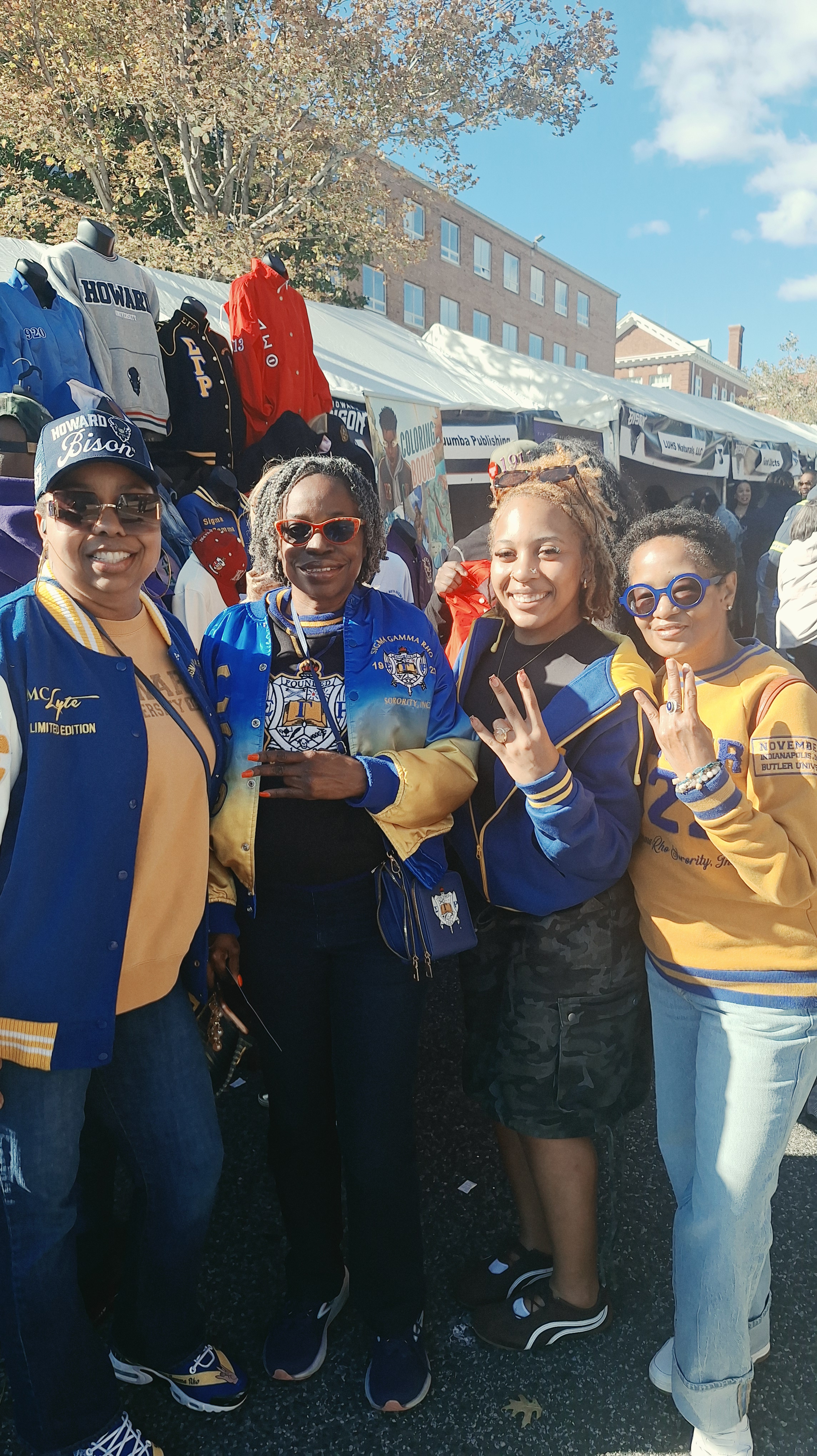
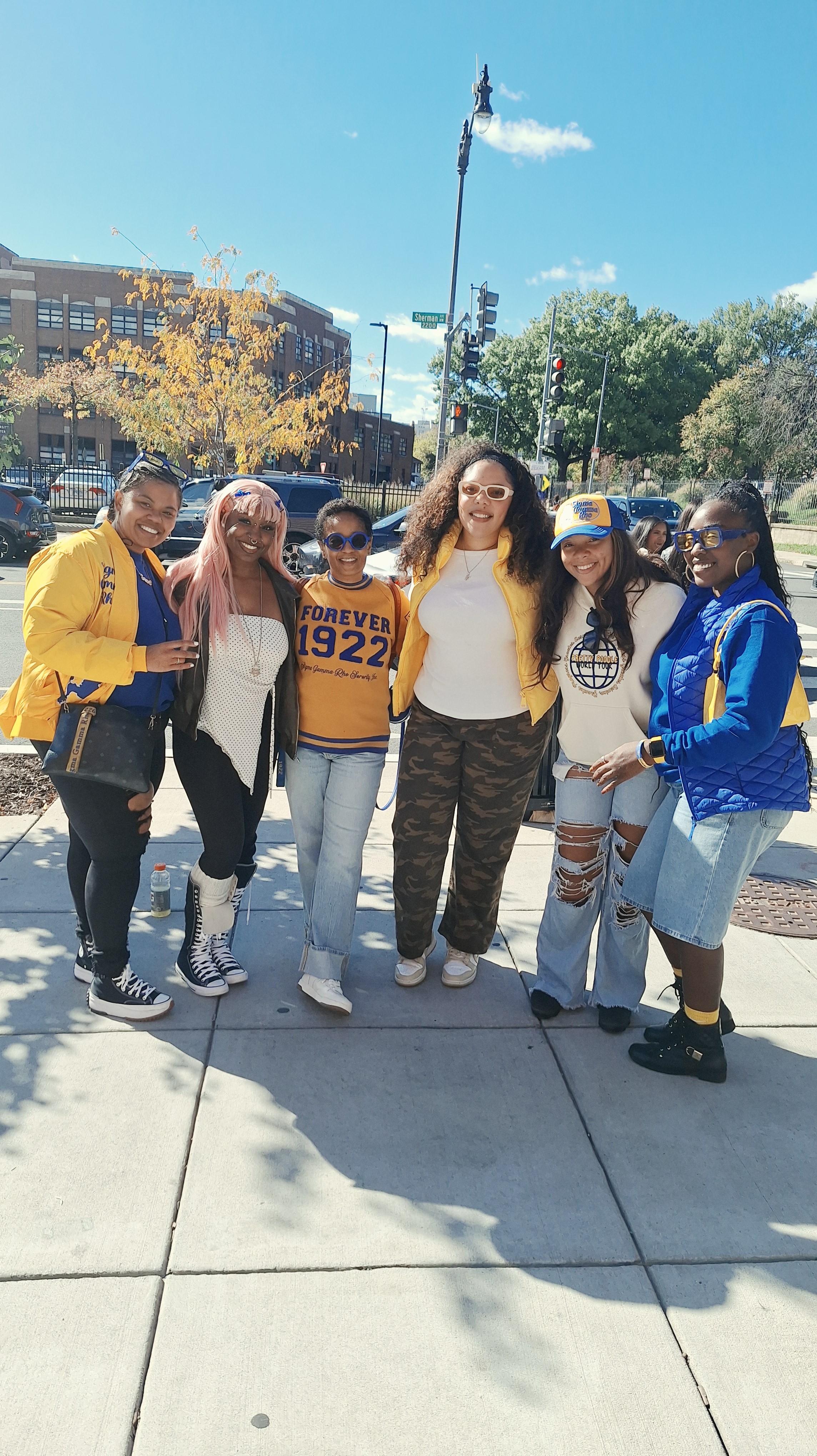
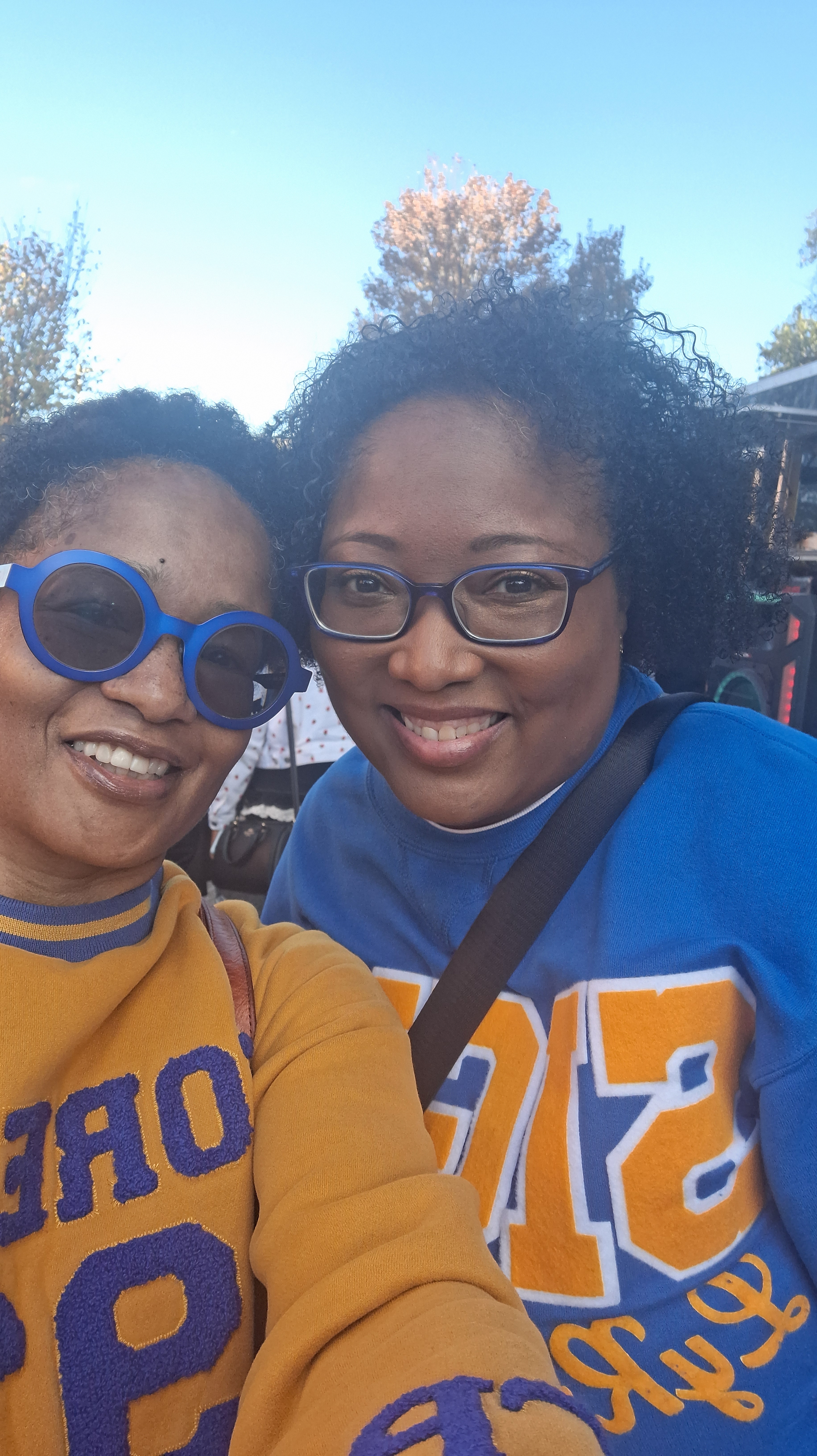
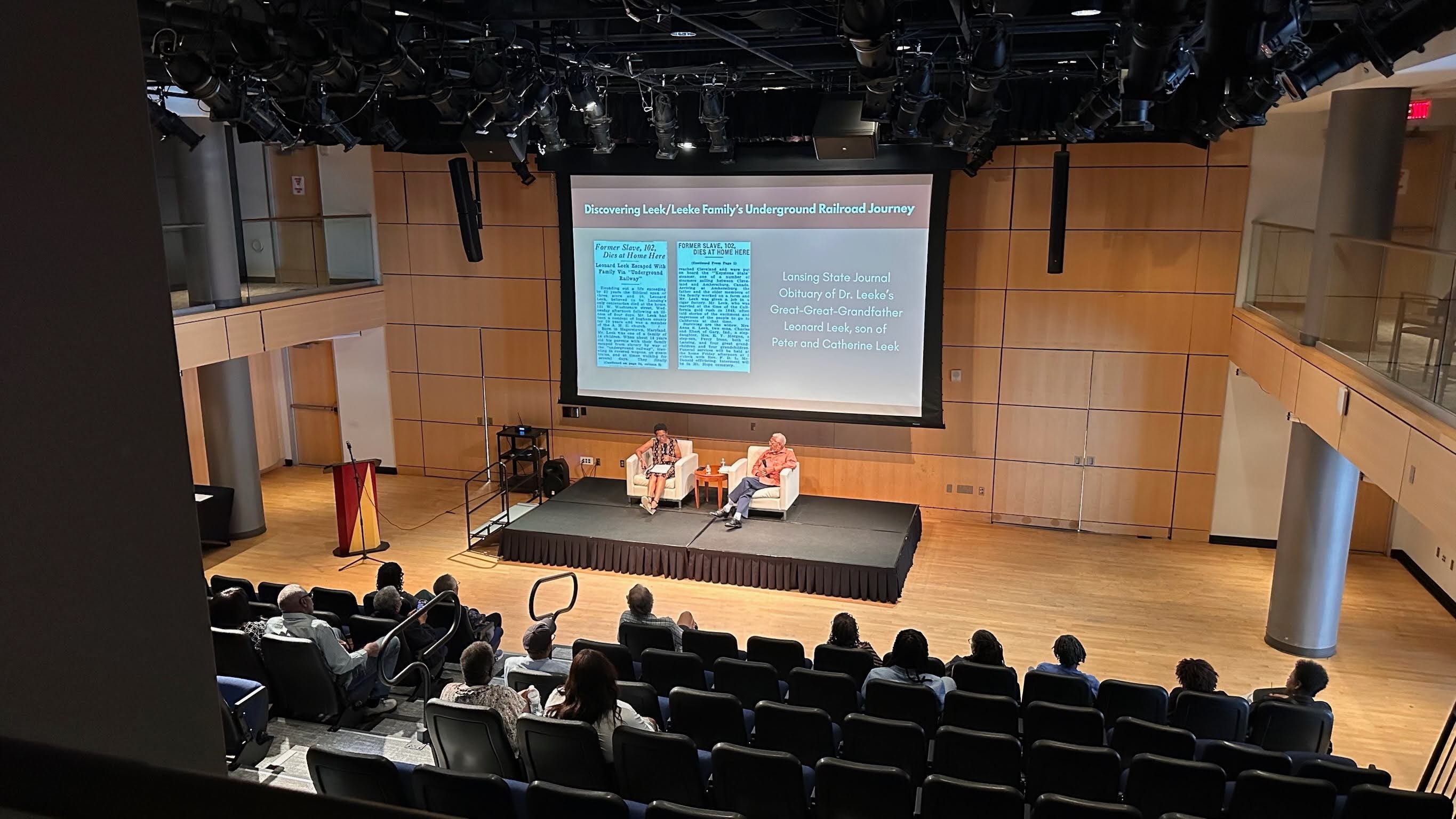
Check out photos of some of the people we met during our recent book talk at Next Chapter Cafe’ & Book Shop in Hagerstown, Maryland.
If you or your business, church, community, or organization are interested in hosting us for an in-person or virtual book talk event, please contact ananda@anandaleeke.com.
Did you know Older Americans Month is celebrated in May?
HISTORY
In 1963, President John F. Kennedy and members of the National Council of Senior Citizens met and decided to designate May as Senior Citizens Month to to acknowledge and celebrate the contributions of past and current older persons.
When President Lyndon B. Johnson signed the Older Americans Act in 1965, the Senior Citizens Month became known as Older Americans Month. Its purpose shifted to highlighting the need for services and community support for older Americans. The Administration for Community Living promotes the annual observance.
HOW I AM CELEBRATING OLDER AMERICANS MONTH
This year, my dad, Dr. John F. Leeke and I are celebrating Older Americans Month by encouraging folks who are over 60 to share and document their life stories and lessons learned with their family, friends, neighbors, colleagues, community, fellow club/church/group/service organization members, and/or online network in small, medium, and big ways.
During the discussion, we shared why Hagerstown is important to our Leak/Leek family history in America. In the early 1840s, Peter and Catherine Leak/Leek and their 14 children escaped slavery via the Underground Railroad and traveled approximately 410 miles to freedom in Amherstburg, Canada. Leonard Leak/Leek, my father’s great-grandfather was one of Peter and Catherine’s sons. Read his obituary below.
My dad also shared life stories that highlighted the importance of his lesson #2: Relationships are essential to your development and the impact you make on the world. His sharing sparked a discussion lively discussion among audience members.
FYI Chapter 22 in American Change Agent is entitled “A Legacy Gift for You: Lessons Learned.” It contains his top 10 lessons.
Many thanks to Dr. Genie Massey and the Maryland League of Women Voters for organizing the event.
Special thanks to Melissa and Bryan Noel, owners of Next Chapter Cafe’ & Book Shop, and their amazing team for hosting the event.
A deep bow of gratitude to my brother Matt for taking photos and recording videos during the book discussion.
MY SUGGESTIONS ON HOW TO SHARE & DOCUMENT YOUR LIFE STORIES & LESSONS LEARNED
1) Reflect and journal about the top one to three lessons you learned during your teen years, 20s, 30s, 40s, 50s, 60s, 70s, 80s, or 90s in your personal life, relationships, career, health, or finances. Look for any themes of resilience, intentional living, practicing gratitude, setting boundaries, asking for help, overcoming doubt and fear, or embracing change and joy.
2) Share what you have written with your chosen network of folks who would benefit from your lessons learned in a conversation, letter, email, blog, social media post, artwork, video, audio recording. and in-person or online gathering.
3) Consider turning your life stories and lessons learned into a Word or pdf document and/or an e-book with photos.
I invite you to request your public local libraries add our book to their collection. Check with your library to see if my book is in its collection. You can ask in person or search the library’s online catalog. Most libraries have a form on their website for requesting books and require a valid library card for requests.
I am working on a submission that honors my Leeke and Roberts Family legacy in DC. I decided to use Canva to create digital collages that include my interpretation of the DC flag and several photos of great grandparents, grandparents, aunt, parents, brothers, and myself that were taken in DC during the 40s, 50s, 60s, 70s, 80s, or early 2000s.
Take a look at my “Chocolate City” DC flag and the current DC flag. My “Chocolate City” DC flag uses two shades of brown to honor the occupied land of the Piscataway and Nacotchtank (also known as Anacostan or Anacostine) people and their contributions to the land. The brown colors also honor the people of African descent and their contributions to the land.
I replaced the three stars with Nsoromma Ghanaian Adinkra symbols because I wanted the flag to reflect the deep spiritual belief, connection, and faith of the Piscataway, Nacotchtank, and African people who laid the foundation and made significant contributions to DC. Nsoromma means “children of the heavens” and “star.” It represents Creator watching over all of humanity.
The photo I used for the base of my collage features my Aunt Paulyne Roberts who worked as a public health nurse at Freedman’s Hospital in the 1940s in DC. She is standing on a street in DC. I added my Chocolate City flag as a border on the right side of the photo and placed Nsoromma symbols on windows and the sidewalk.
We are all aging, but when do we begin to recognize, discuss, choose, and define how we age?
I am currently writing a section of my memoir that discusses how I started recognizing, choosing, and defining how I wanted to age in small, medium, and big ways when I turned 27 in 1991.
Now that I am 61, I am able to look back and see that I had a VISION of Thriving Mindfully for who I wanted to be in my latest 20s, 30s, 40s, 50s, and 60s. It included using world spiritual practices, personal development resources and support from coaches and therapists, vegan/vegetarian/pescatarian lifestyle, yoga, meditation, journaling, reiki, physical fitness, creative expression, peaceful and fulfilling career and entrepreneurial opportunities, loving and supportive relationships and communities, local and world travel adventures, lifelong learning, participation in lots of local activities, and volunteer service opportunities.
Do you have a VISION for how you want to age in your 20s, 30s, 40s, 50s, 60s, 70s, 80s, or 90s?
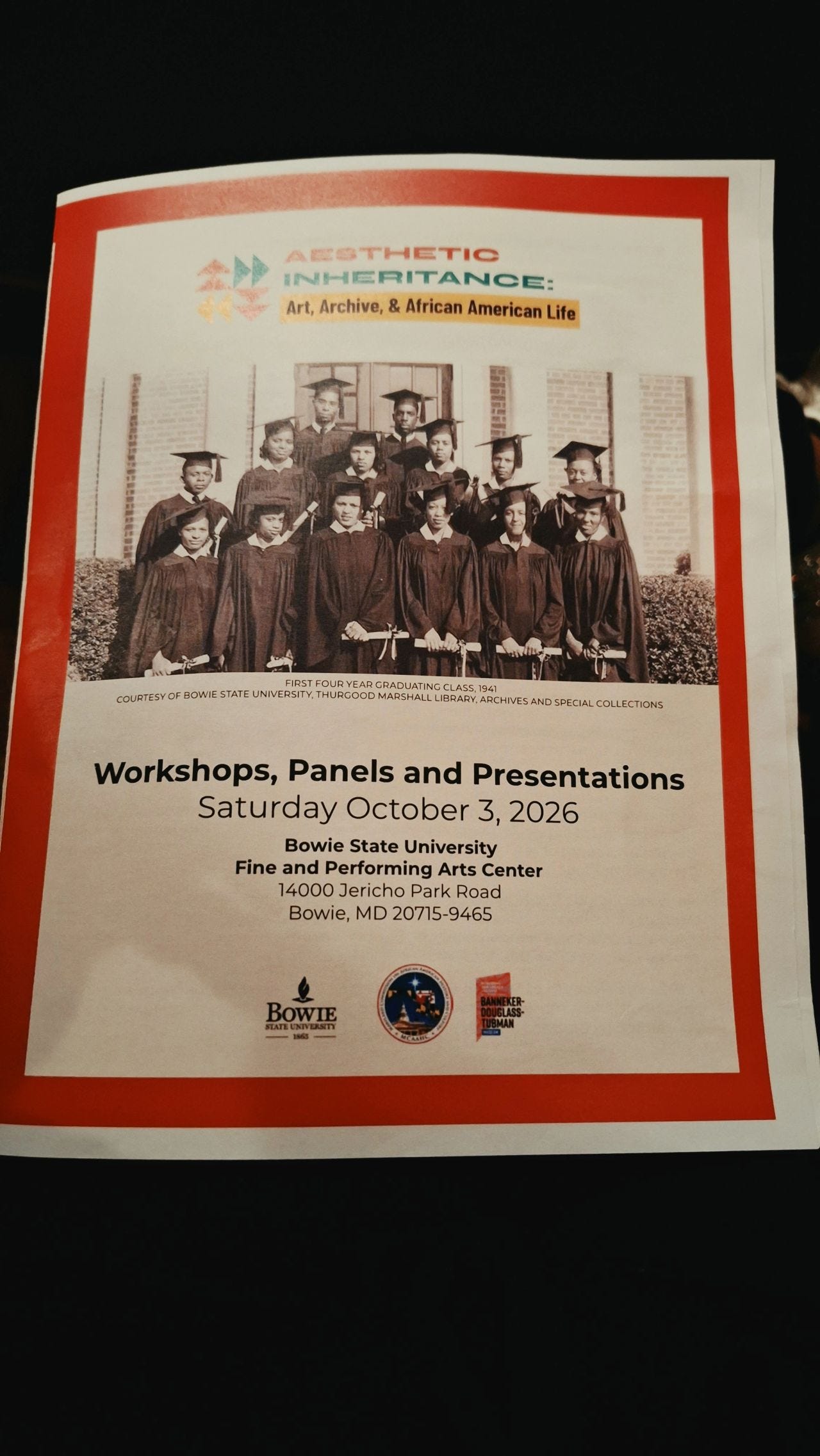
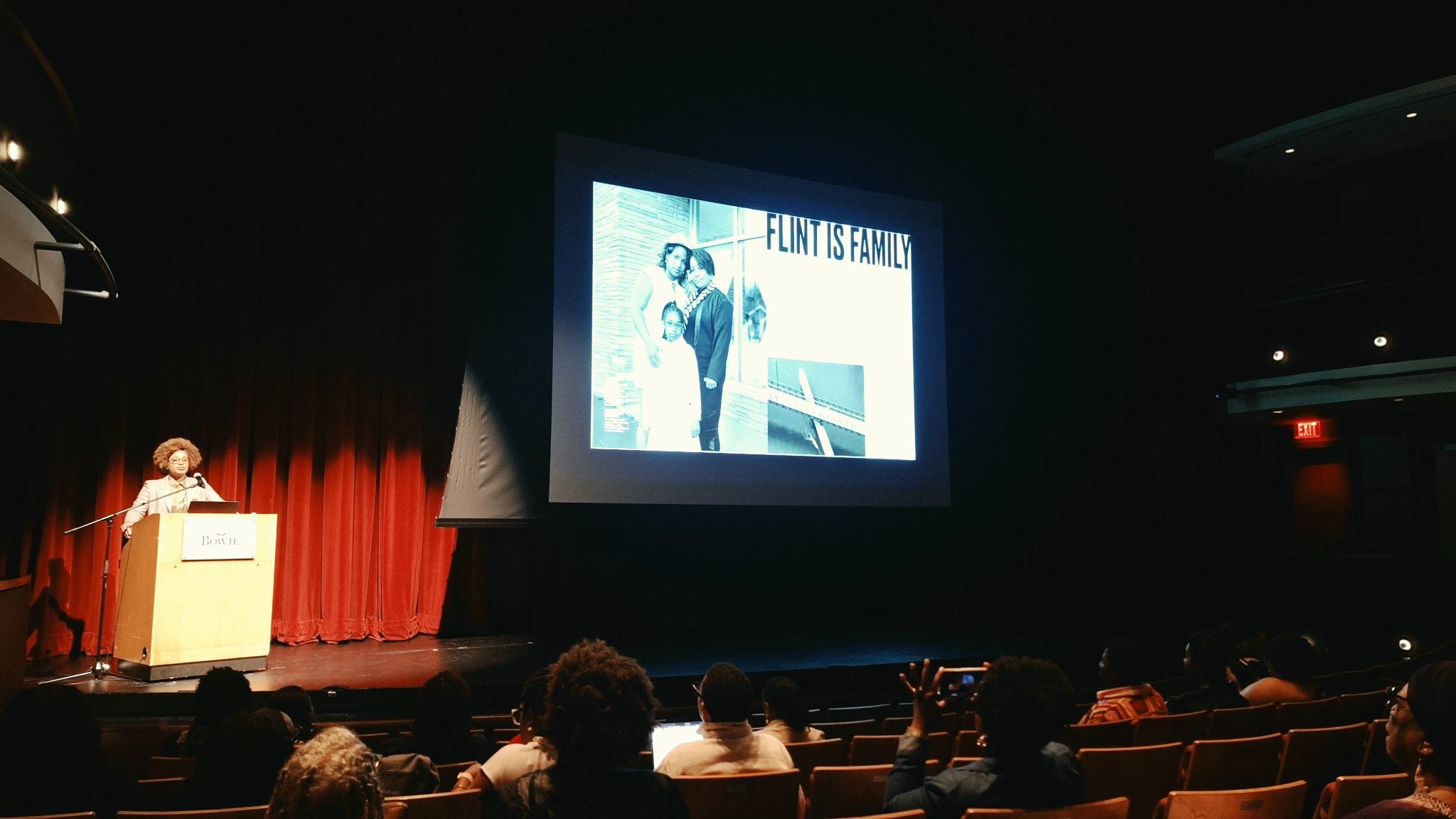
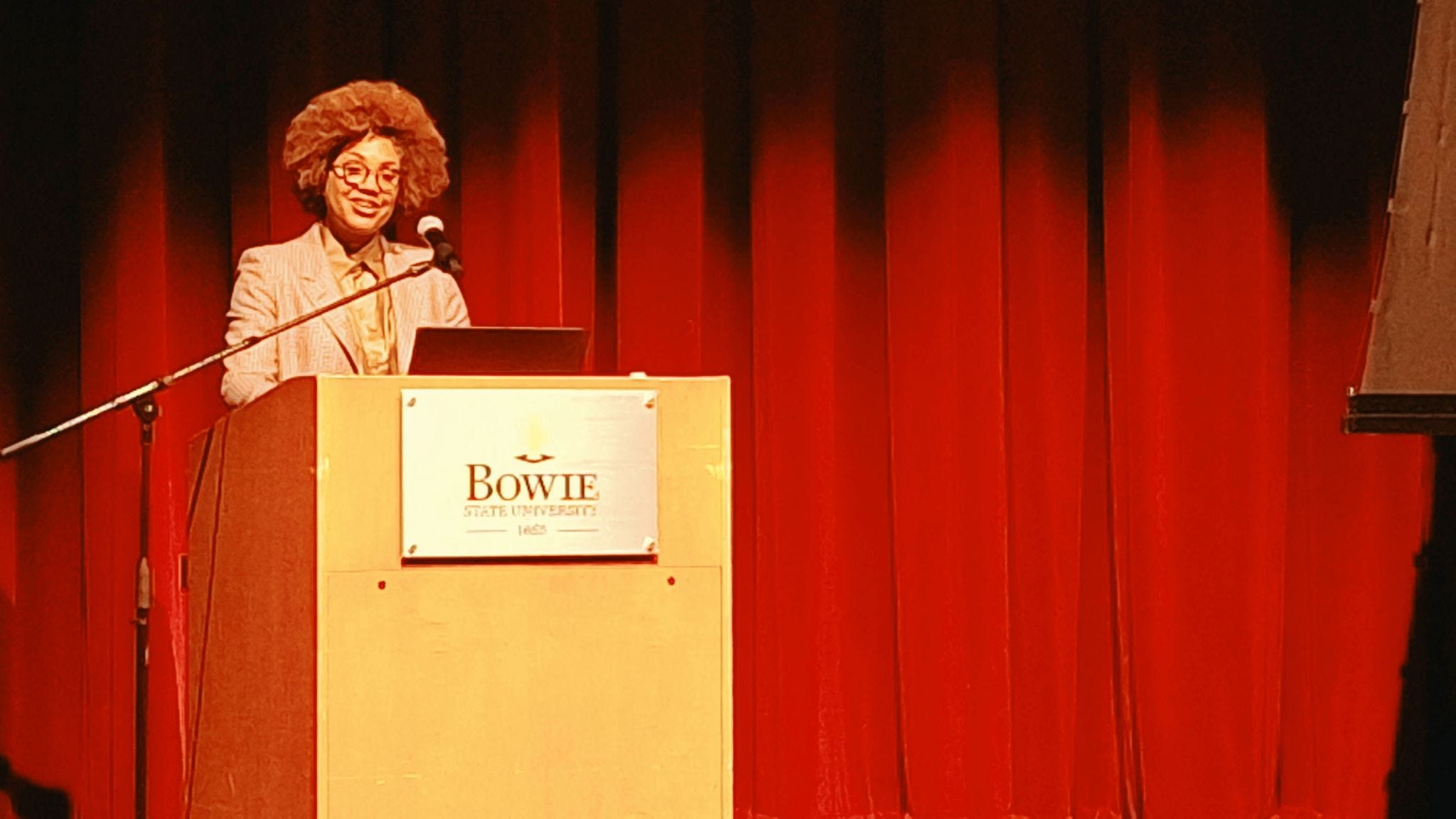
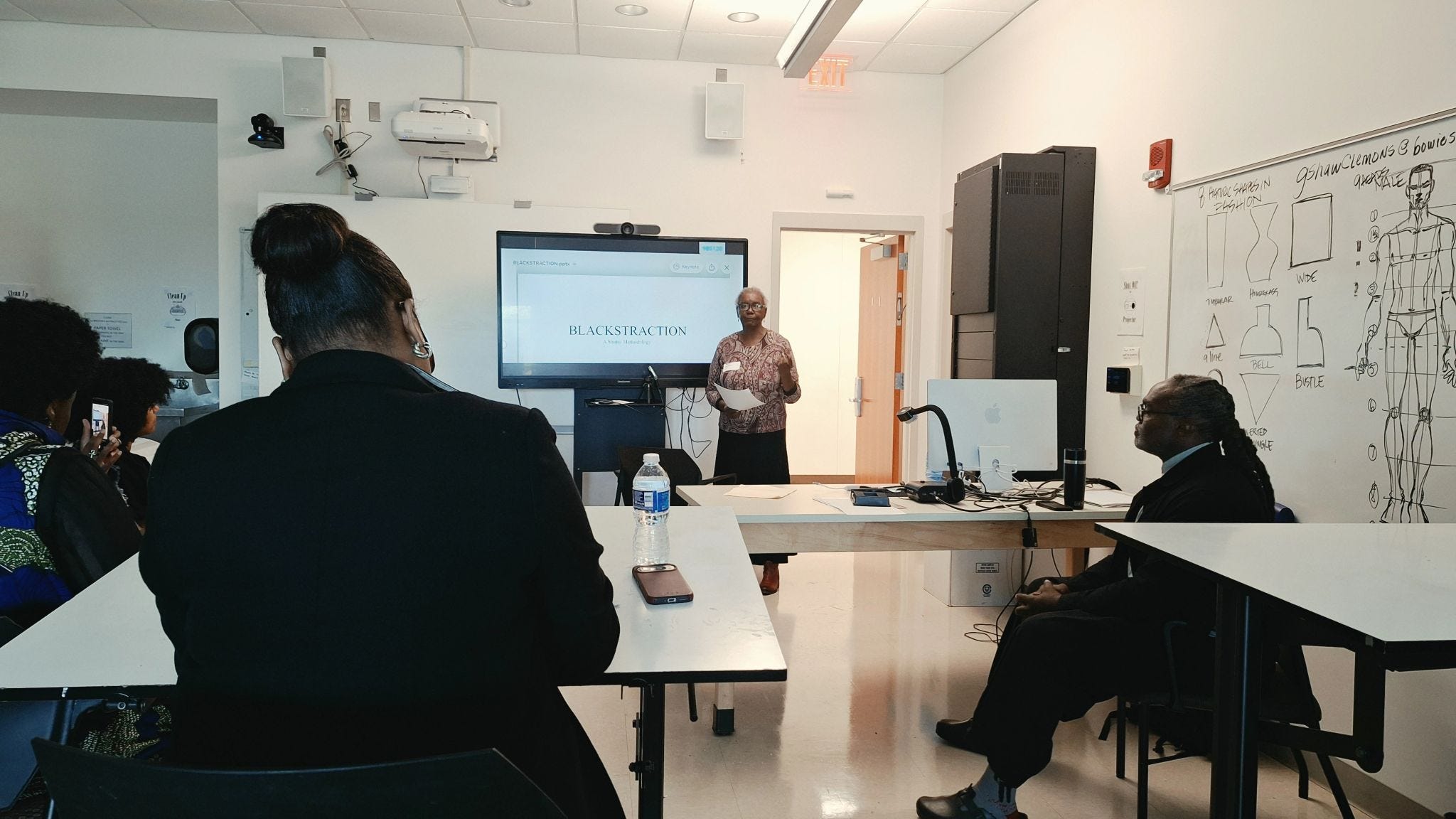
We shared the stage with Shilpi Malinowski, author of Shaw, LeDroit Park, and Bloomingdale in Washington, DC: An Oral History; Carlin D. Nelson, author of Under the Skin, Above the Pavement: Urban Ecology, Embodied Masculinity, and the Science of Risk; and Jeanne Estelle Saddler, author of The Great Triumph: A Memoir of Courage & Devotion.
Check out the photos and video below. When you watch the video start at the 1.18 minute mark.
How are you taking care of yourself this Spring season?
This Spring season has given me several opportunities to find refuge in my creativity and the creativity of others. These opportunities have served as a lifeline that leads me to peace, comfort, and joy, especially when I feel anxious about what’s happening in the United States and the world.
What are you finding refuge in?
FINDING REFUGE IN MY CREATIVITY
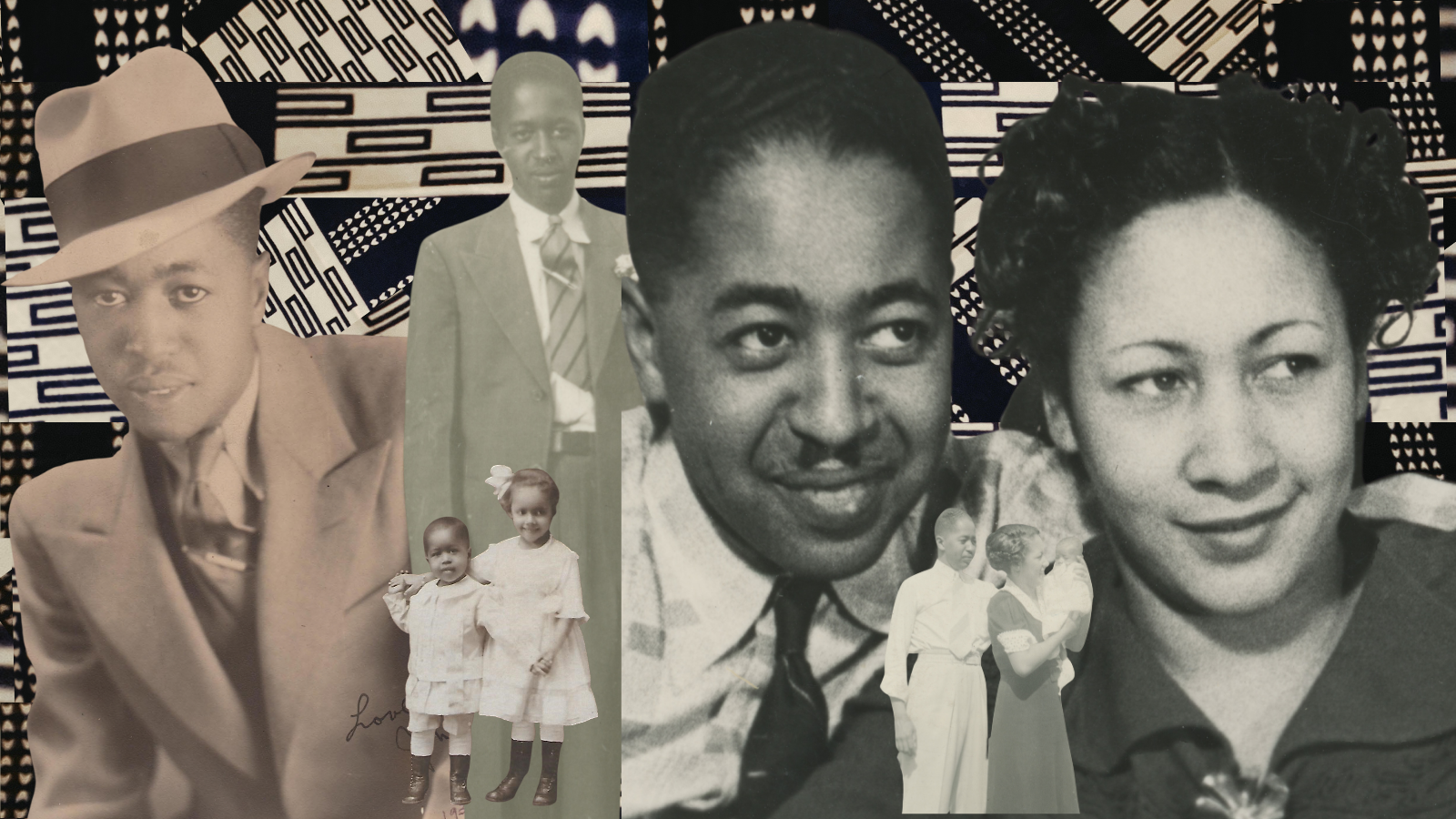
I started working on a new digital collage series entitled “Celebrating Black Joy in My Ancestral Womanline’s Friendships.” I created four collages featuring my grandaunt Paulyne Roberts (“Aunt Paul”) and her best friend Cleo, grandmother Frederica Stanley Roberts Leeke (“Freddie” and “Grandmommy”) and her girlfriends, and grandaunt Mabel Roberts (“Aunt Mabel”) and her sorority sisters.
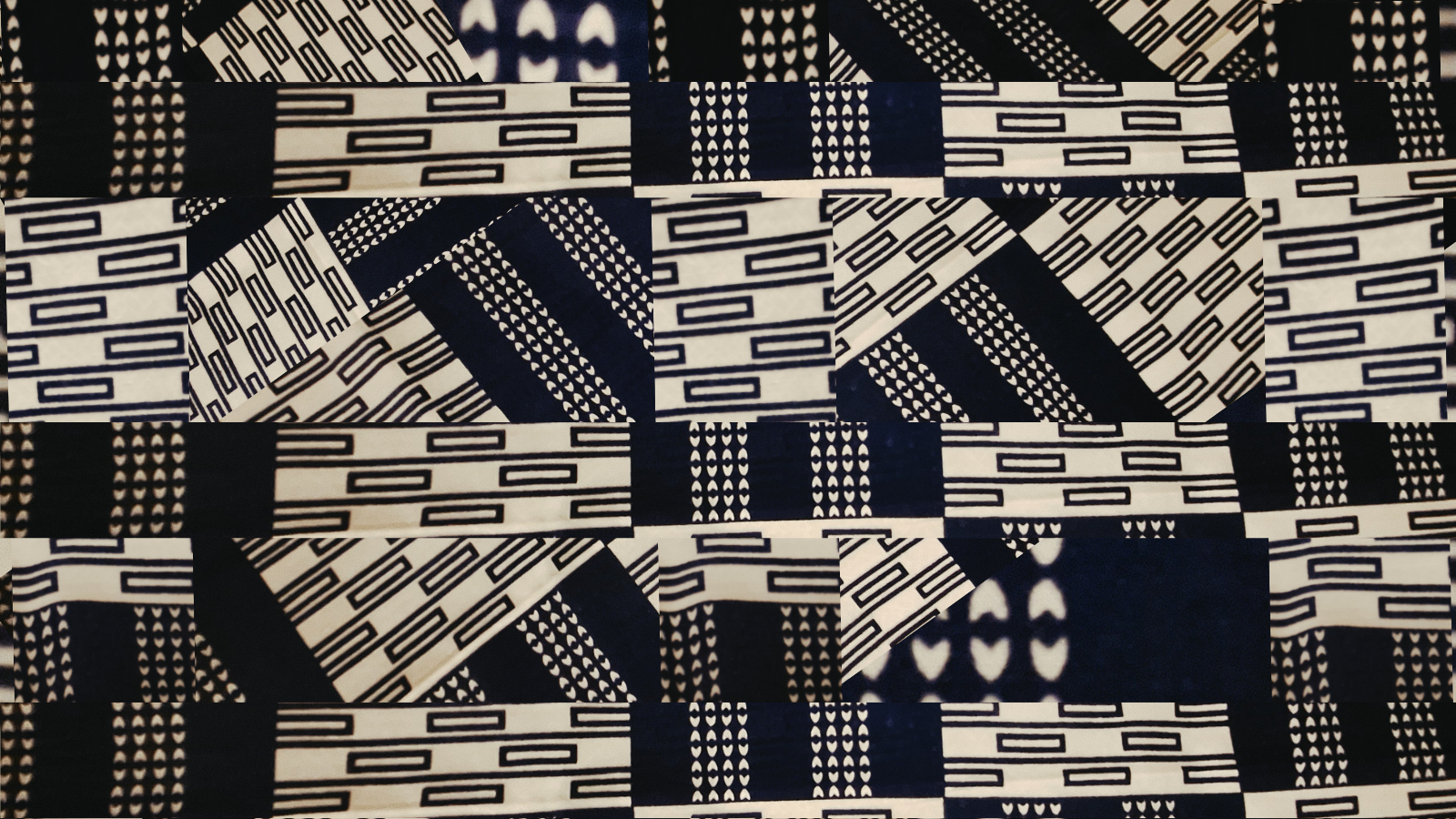
The background for each collage comes from a photo I took of fabric from a dress I bought at Katuka, my favorite Afro-Brazilian boutique in Salvador da Bahia, Brazil in 2023. I used Canva to create small strips of the fabric and placed them in different directions in the main photo. The strips created a different fabric design. I included photos of the original fabric, dress, and Katuka boutique. I added Ghanaian Adinkra symbols to each collage.
Click the button to read my blog about these collages (additional photos of collages are included).
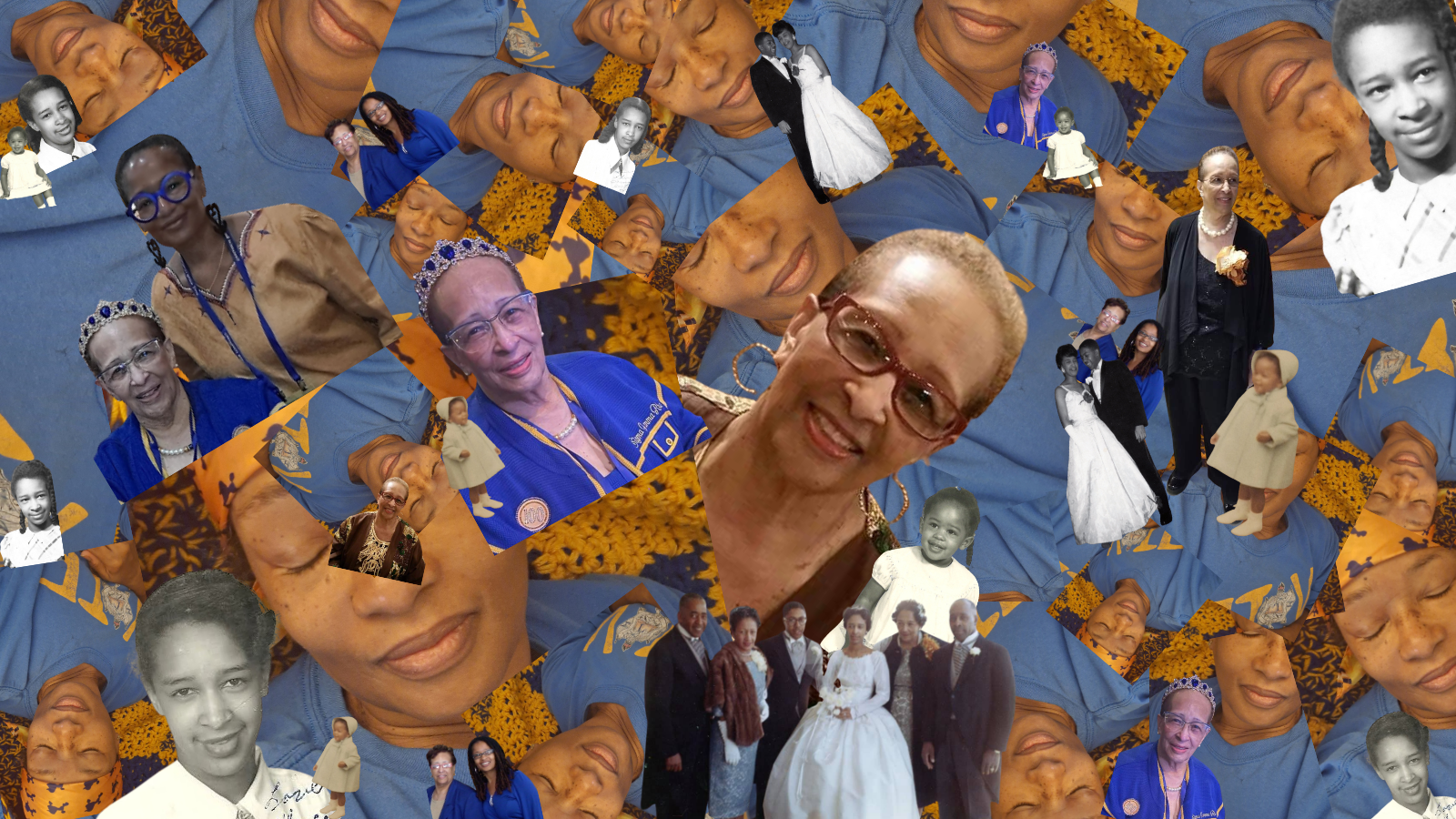
Special thanks to my Sigma Gamma Rho Sorority Sorors for featuring my debut spoken word album, Thriving Mindfully As Theresa’s Daughter (released on November 20, 2025) in the Spring 2026 issue of The Aurora Magazine. It is an honor and blessing to have my creative work dedicated to my mother, ancestor, and Soror Theresa B. Gartin Leeke featured in our international publication during the month she joined our sorority in 1959 (April 26th).
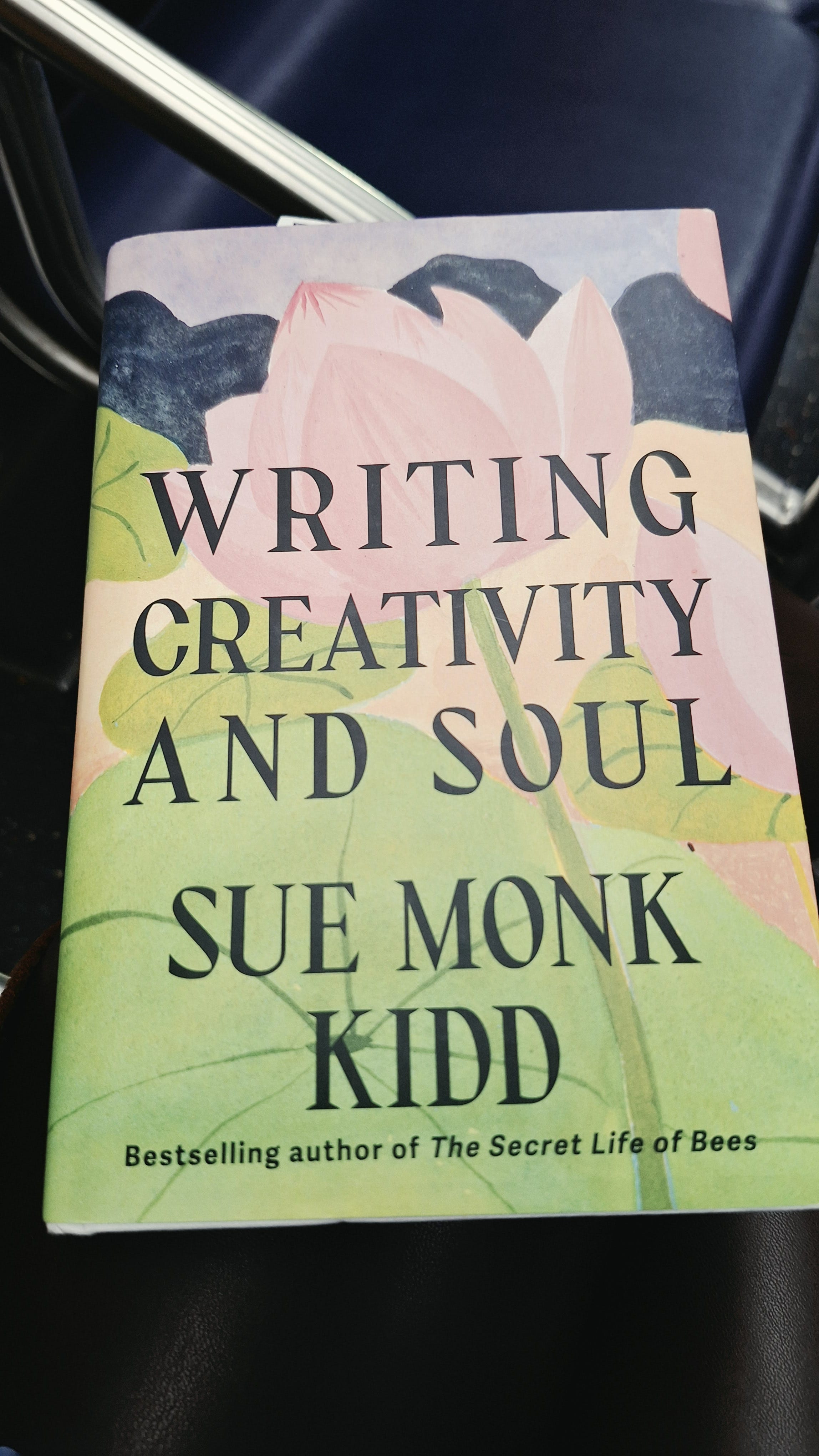
I am reading journalist and musician Lee Hawkins’ new book, I Am Nobody’s Slave: How Uncovering My Family’s History Set Me Free.
On April 1st, I attended Lee’s book talk with my dad John and cousin Melodye at the Martin Luther King, Jr. Library in Washington, D.C.
I am so glad we were able to attend the event and listen to Lee’s conversation with Tracie Potts, Executive Director of the Eisenhower Institute. The bonus of the evening was chatting with Lee as he signed our books.
I started reading his book the evening I purchased it and continued reading it the next morning. I am looking forward to reading more of it this month.
This weekend, I started working on my new digital collage series entitled “Celebrating Black Joy in My Ancestral Womanline’s Friendships.”
I created four collages featuring my grandaunt Paulyne Roberts (“Aunt Paul”) and her best friend Cleo, grandmother Frederica Stanley Roberts Leeke (“Freddie” and “Grandmommy”) and her girlfriends, and grandaunt Mabel Roberts (“Aunt Mabel”) and her sorority sisters.
The background for each collage comes from a photo I took of fabric from a dress I bought at Katuka, my favorite Afro-Brazilian boutique in Salvador da Bahia, Brazil in 2023. I used Canva to create small strips of the fabric and placed them in different directions in the main photo. The strips created a different fabric design. I included photos of the original fabric, dress, and Katuka boutique. I added Ghanaian Adinkra symbols to each collage. A description of each symbol is included on graphics attached to this post.
COLLAGE TITLES WITH BRIEF DESCRIPTION
1) Aunt Paul and Her Bestie Cleo (two women seated)
I placed a photo of Aunt Paul and her bestie Cleo that was taken in 1918 or 1919 on top of the fabric photo. I removed the photo’s original background on Canva. I added brown Ese Ne Tekrema symbols to the fabric. Ese Ne Tekrema is a Ghanaian Adinkra symbol that represents friendship and cooperation.
2) Freddie’s Gal Pals (group of women standing and kneeling)
The collage celebrates the relationships Grandmommy had with her girlfriends. I used Canva’s background remover tool to recreate the image of the 1933 photo of my grandmother and her girlfriends. I imagine they were posing for a photo at one of their AQ Club meetings, teas, or events. My grandmother is the young woman kneeling in a dark colored dress. She was 18 when the photo was taken and a freshman in college. Brown Nnamfo Pa Baanu Ghanaian Adinkra symbols were added to the collage because they symbolize friendship and fellowship, two key ingredients in my grandmother’s life.
3) Freddie & Her BFF Creating Black Women Joy (two women standing)
The collage reminds me joy is one of my birthrights. It includes a 1937 photo of Grandmommy and her sistafriends Forest Park in St. Louis, Missouri. They were visiting Aunt Paul who was lworking as a nurse at Homer G. Phillips Hospital, the only hospital for African Americans in St. Louis from 1939 to 1955. I added brown Ghanaian Adinkra symbols called Duafe and Nea Ope Se Obedi Hene to the fabric to celebrate beauty, femininity, sisterhood, and joy.
4) Aunt Mabel’s Community of Sisterhood
This digital collage celebrates Ant Mabel and the sisterhood she shared with her friends in her career, church, sorority, and community. She was a FABULOUS, FIERCE, FLYY, and FASHIONABLE woman who made sure she was properly groomed and “dressed to the nines” at all times. She loved the finer things in life.
Aunt Mabel studied education and graduated from Indiana State Normal College (before it became Indiana State Teachers College and Indiana State University) in Terre Haute, Indiana. She became the first African American teacher in Elkhart, Indiana and joined Zeta Phi Beta Sorority.
I used two 1940s photos of Aunt Mabel. One photo is from her career as a teacher in Elkhart, Indiana. They second photo features Aunt Mabel and a group of women that she is connected to. I imagine that the women are probably her Zeta Phi Beta Sorority sisters. I added brown Ghanaian Adinkra symbols called Duafe and Nea Ope Se Obedi Hene to the fabric to celebrate the beauty, femininity, sisterhood, and commitment to service.